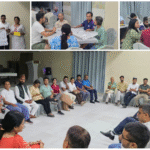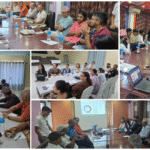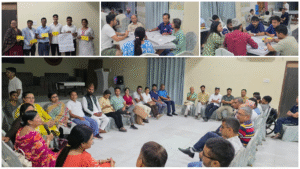
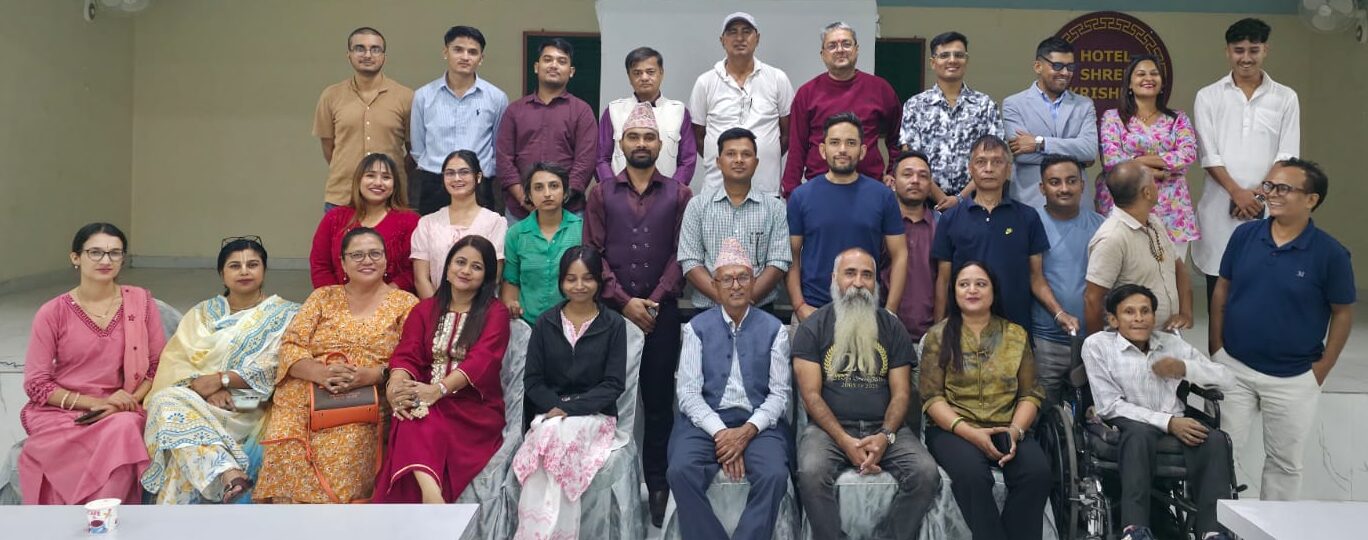
On 15th October, 2026, Bikalpa – An Alternative organized an Inception Meeting to lay the groundwork for the Multi-Stakeholder Civic Engagement Advocacy Platform in Koshi Province. The meeting brought together diverse civic actors to shape the platform’s identity, establish its foundational direction, and discuss the principles that will guide its functioning. The primary objective of the meeting was to transition from preliminary dialogue to institutional formalization—defining the platform’s identity, establishing its governance principles, and structuring its operational mechanisms to advance collaborative leadership across the province.
Defining Institutional Identity and Strategic Mandate
A critical determinant of the platform’s long-term efficacy is its ability to foster genuine local ownership and resonate with communities across Koshi Province, particularly among youth demographics. The initial plenary session centered on Platform Identity and Naming. Through structured brainstorming, participants proposed and evaluated a broad array of locally rooted designations, including Nagarik aabiyan, Nararik khabardari munch, sajha bibek munch, nagarik jhagharan munch, nagarik bikalpa samuhaa, rato ribbon, birat declaration, civic pulse, nothing impossible, seto kukur, Sajha pahal, loud speaker, ak prayash, sambhav, ak sakalpa, sayata paribhartan, aak awaz, santa awaz, sutra, nagarik abhiwan sanjhal, kuntheoyek awaz, dristrikon awaz sanjhal, bhaul dhristhi, civolution, civititude, and joint initiatives group. After comprehensive deliberation on these options, consensus was reached to finalize the platform’s official name as Samuhik Pahal Samuha.
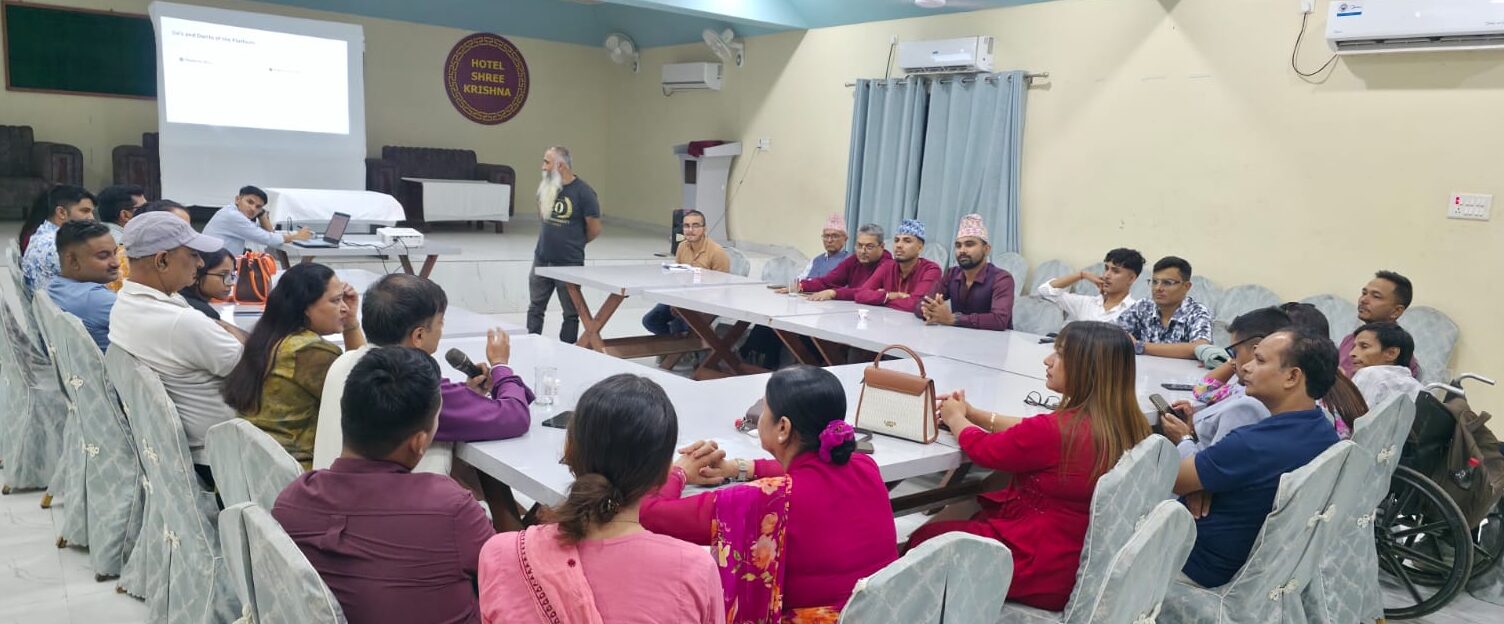
To translate these foundational deliberations into a formal mandate, the 25 platform members constituted a dedicated Drafting Committee. This committee has been tasked with synthesizing the plenary inputs to formulate the platform’s official Vision, Mission, and Objectives, ensuring strategic clarity and a unified institutional trajectory for its upcoming interventions.
Establishing Governance Principles and Code of Conduct
Effective multi-stakeholder coalitions rely on clear ethical boundaries and shared norms of engagement. During the session dedicated to the Dos and Don’ts of the Platform, participants deliberated on the core principles and behavioral standards required to safeguard the integrity of the 25 multi-stakeholder platform members. The 25 multi-stakeholder platform members established consensus around three foundational pillars:
Strict Non-Partisanship: Maintaining institutional independence by focusing exclusively on issue-based advocacy, policy reform, and public accountability, free from partisan political influence.
Mutual Respect and Deliberative Integrity: Upholding a culture of constructive dialogue and inclusivity across diverse ideological, professional, and social backgrounds.
Collective Ownership: Ensuring equitable participation and shared accountability among all members to prevent the centralization of influence.
Operational Structure and Thematic Working Groups
To ensure that the platform operates with transparency, administrative efficiency, and fiduciary accountability, participants reviewed the Platform Structure and Role Allocation. The proposed governance framework establishes a 25-member non-partisan body supported by clearly delineated executive and operational functions, including designated leadership roles, an administrative Secretariat, and a Treasury.
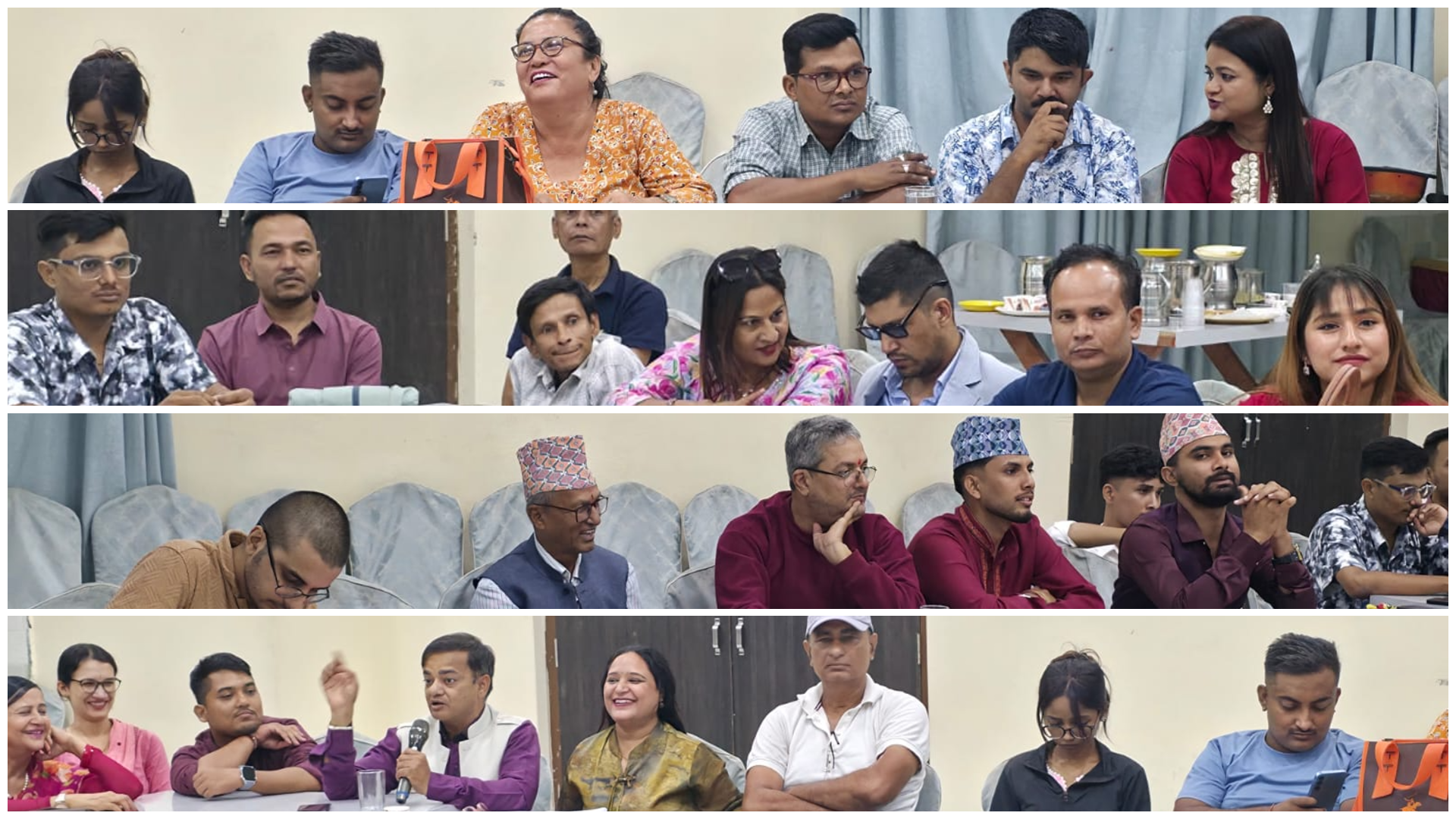
Furthermore, to channel the technical expertise of its members into targeted policy and civic interventions, the platform institutionalized six Thematic Working Groups:
Civic and Political Education: Enhancing public awareness regarding constitutional rights, legislative processes, and sub-national governance structures.
Youth Leadership and Capacity Development: Cultivating the next generation of civic actors through targeted capacity-building and leadership initiatives.
Digital Democracy and Information: Utilizing digital tools to promote access to information, civic tech engagement, and transparent public discourse.
Civic Space and Accountability: Protecting the enabling environment for civil society while strengthening mechanisms to hold public institutions accountable.
Gender Equality, Disability, and Social Inclusion (GESI): Mainstreaming inclusive practices to ensure marginalized communities are represented in policy formulation and governance processes.
Policy Reform and Innovation: Conducting evidence-based research and policy advocacy to address regulatory bottlenecks and advance institutional reforms in Koshi Province.
The Inception Meeting represents a significant milestone in translating shared civic aspirations into a formal institutional mechanism. By establishing a preliminary governance structure, defining ethical boundaries, and instituting specialized thematic clusters, the participants have laid a robust foundation for sustained, multi-stakeholder advocacy in Koshi Province. As the Drafting Committee finalizes the foundational charter and the Thematic Working Groups commence their operational planning, the platform remains committed to fostering a more inclusive, responsive, and accountable governance ecosystem.