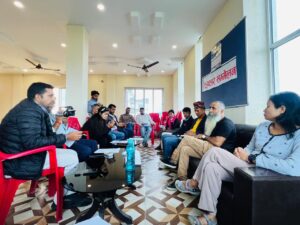
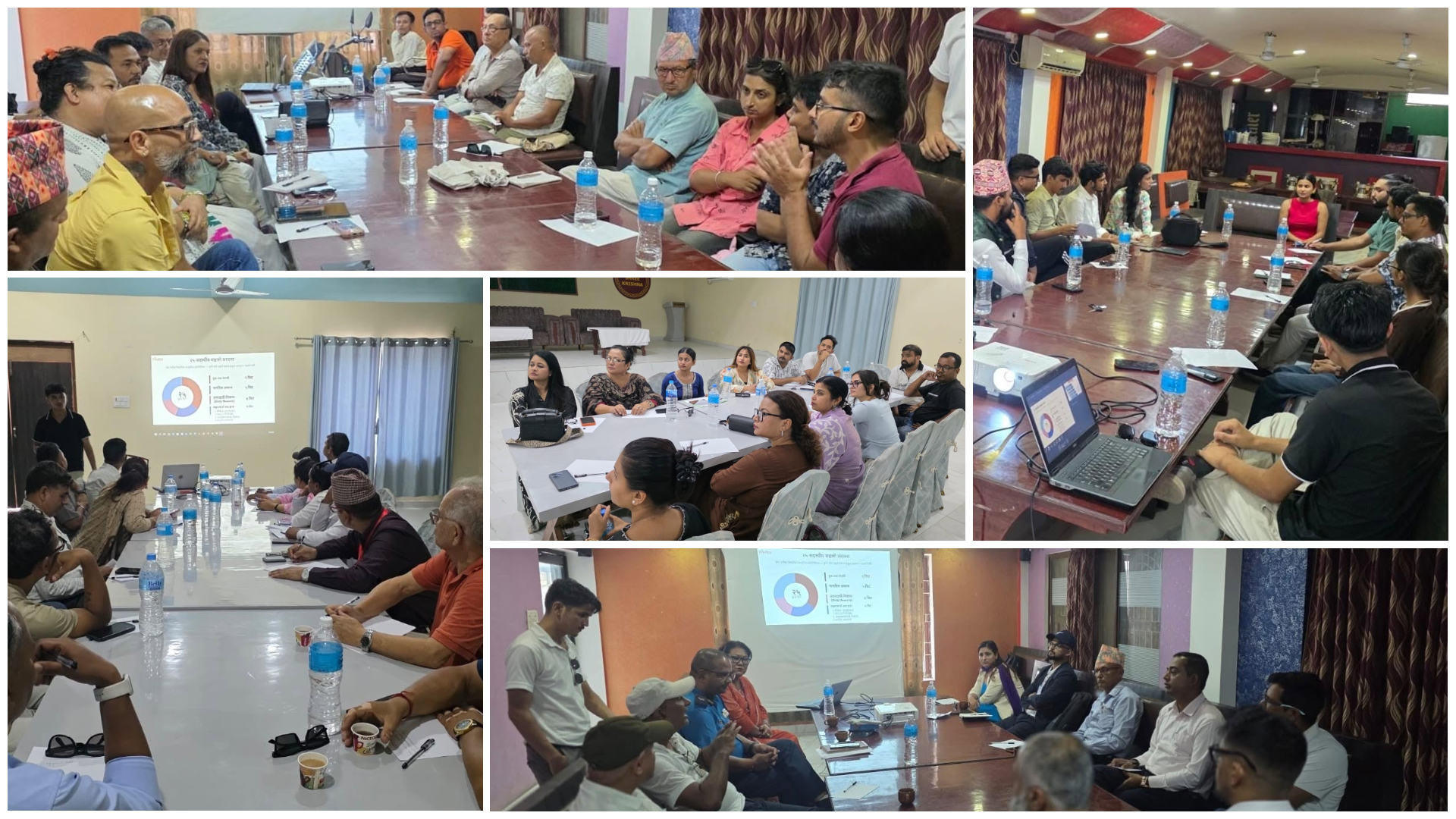
Between August 14 and August 26, 2026, Bikalpa – An Alternative conducted five stakeholder consultations in Koshi Province as part of its work under the United Nations Development Programme (UNDP) Nepal’s Advancing Civic Engagement for Democratic Participation Project.
The consultations were part of the local context mapping and social mobilization process for developing a proposed 25-member Multi-Stakeholder Civic Engagement Advocacy Platform in Koshi Province. The platform aims to bring together diverse voices to identify important issues, strengthen evidence-based advocacy, and create meaningful dialogue between citizens and institutions. The consultations were designed not only to understand the concerns of different sectors, but also to explore who could contribute to a platform that brings together diverse expertise, experiences, and perspectives to work on priority issues in Koshi Province.
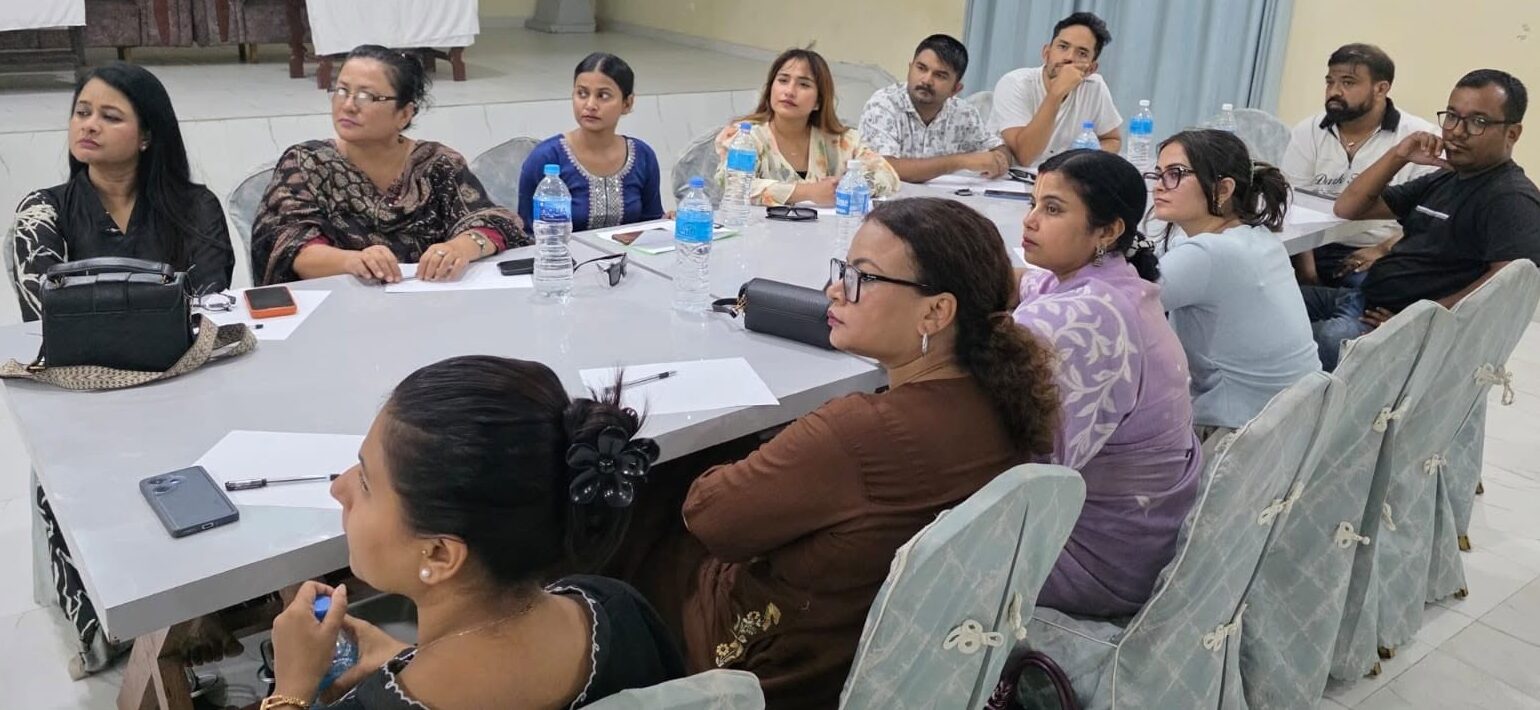
The five consultations brought together representatives from civil society, Gen Z and youth, academia and journalism, the business and private sector, and duty bearers.
The first consultation, held on August 14 at Shree Krishna Hotel in Biratnagar, focused on the relationship between civil society, citizens, and government. Participants discussed gaps in policy implementation, access to public services, disability rights, youth opportunities, and the challenges faced by marginalized communities. The discussion also highlighted the importance of changing attitudes within public institutions and strengthening civil society’s role as a partner in governance and development.
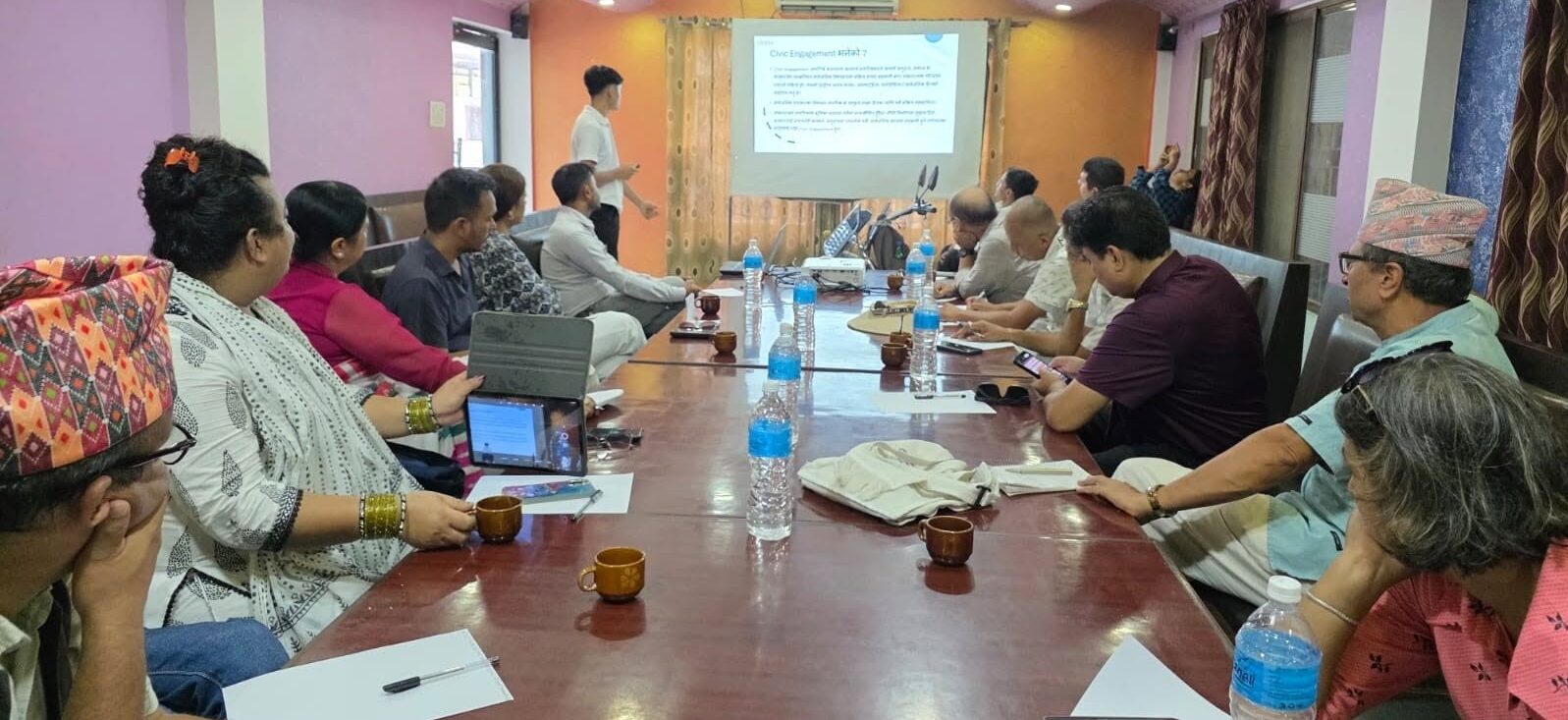
On August 15, the discussion turned to the concerns and priorities of young people. Participants raised practical issues including the Rani–ICP road, landless settlements, agricultural challenges, public hospitals, municipal services, procurement transparency, citizenship services, and drug prevention. The consultation also explored how youth networks and Gen Z-led initiatives could contribute to civic engagement and public policy. Recommendations were invited for young people who could represent Gen Z within the proposed platform.
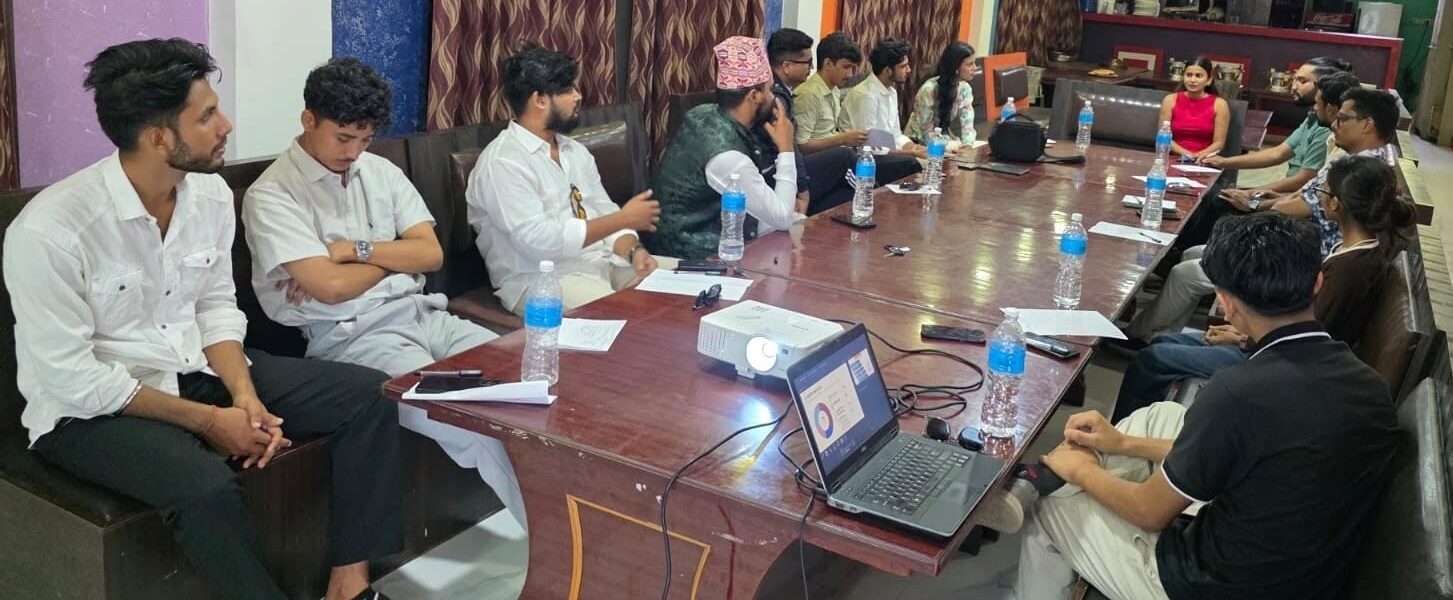
Academia and Journalism Consultation
The August 16 consultation with academics and journalists focused on making civic engagement more informed, issue-based, and effective. Participants discussed the role of research, journalism, and expertise in identifying policy gaps and communicating public concerns. They also emphasized that representation should be based on relevant experience, commitment, and the ability to contribute to advocacy—not simply on institutional positions or visibility. The importance of inclusive representation across Koshi Province, including youth, women, persons with disabilities, and third-gender communities, was also discussed.
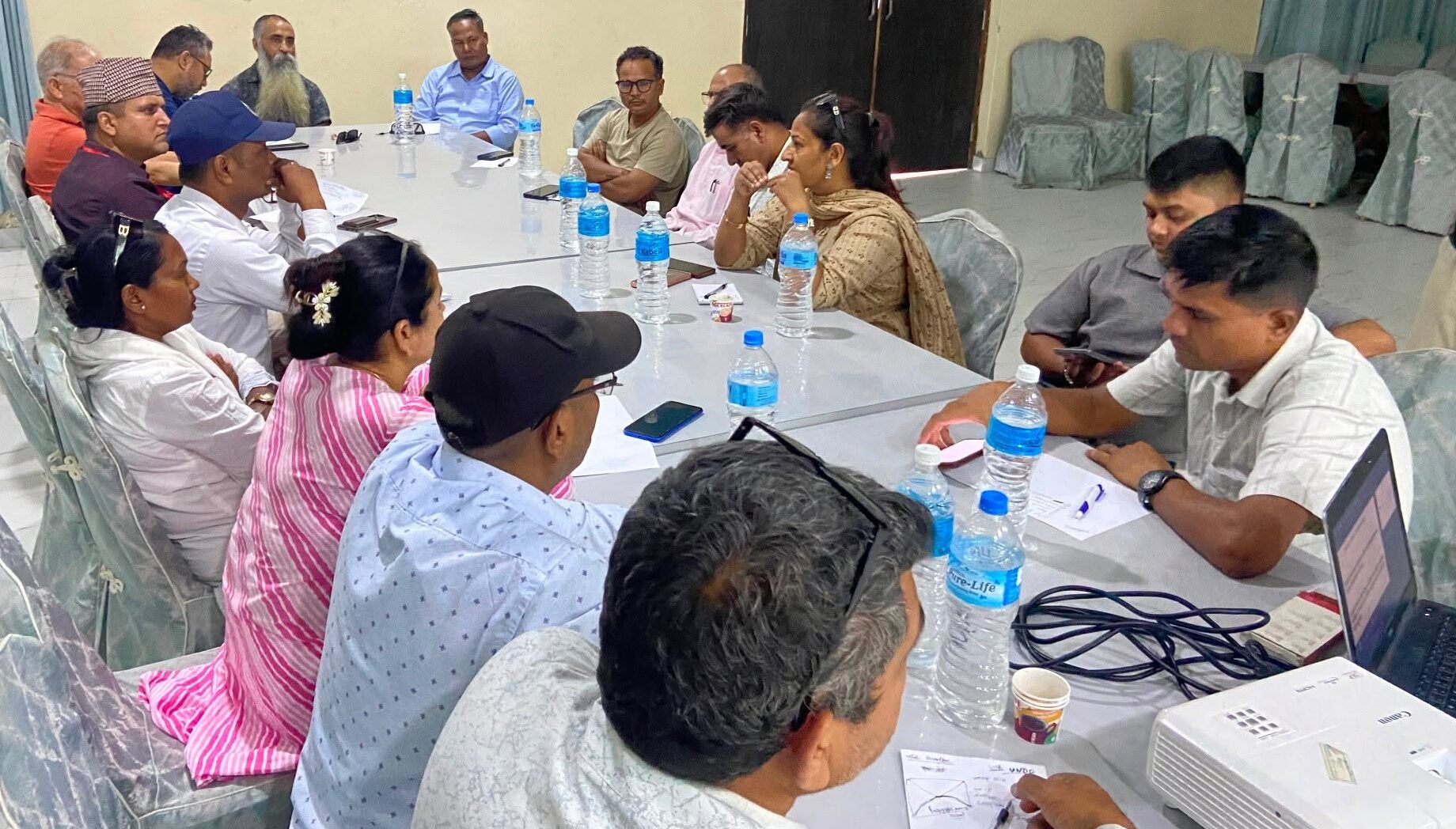
Business and Private Sector Consultation
On August 19, Bikalpa brought together representatives from the business and private sector to discuss their role in civic engagement and policy dialogue. The consultation explored challenges faced by businesses, the relationship between the private sector and government, regulatory and administrative processes, and opportunities for stronger collective engagement in policy discussions. Participants were also invited to recommend individuals who could contribute to the proposed platform and bring private-sector perspectives into broader civic dialogue.
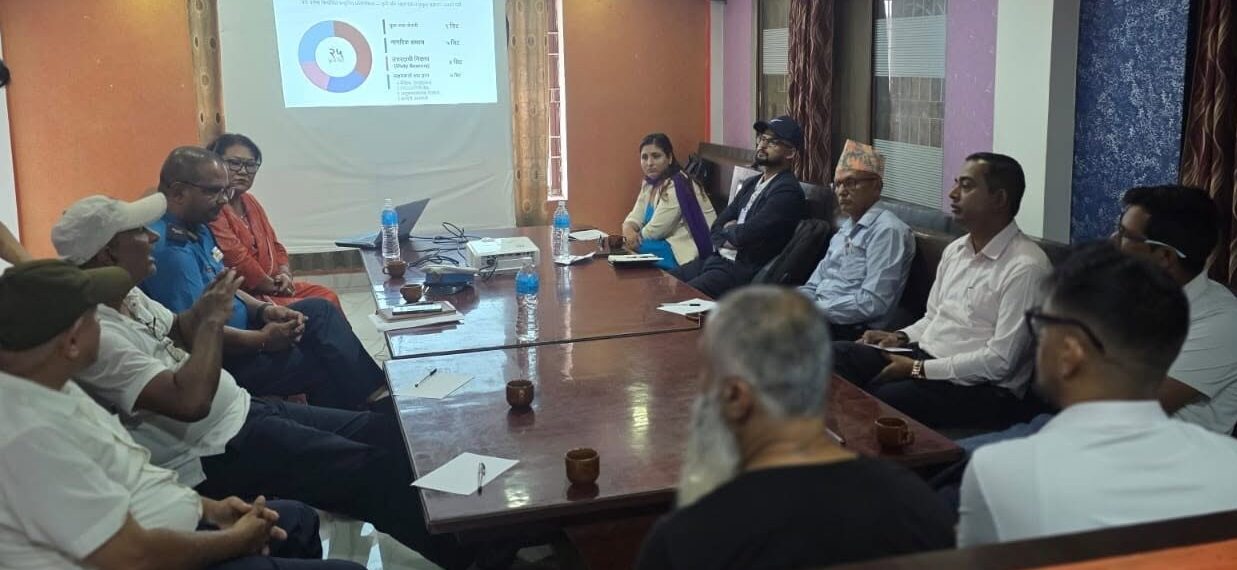
The fifth consultation, held on August 26, brought together duty bearers to discuss how civic engagement can be connected more effectively with governance and policy action. A key theme was the importance of identifying priority issues first and then bringing together the right people and expertise to address them. Participants discussed transparency, access to information, accountability, collaboration among stakeholders, and the potential role of thematic working groups. The discussion also considered how the proposed 25-member platform could support research, policy advocacy, citizen–state dialogue, and practical community initiatives.
Across all five consultations, different sectors brought different experiences, but several common themes emerged: the need for stronger citizen participation, better access to information, evidence-based advocacy, inclusive representation, and closer engagement between citizens and institutions. These consultations provided an opportunity not only to listen to different perspectives but also to identify potential representatives and understand the issues that should shape the proposed Multi-Stakeholder Civic Engagement Advocacy Platform. This process is an important step toward creating a platform that can connect people, knowledge, institutions, and action. The next phase will build on these conversations as the platform moves toward formation and operationalization.