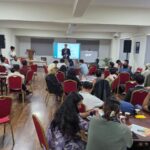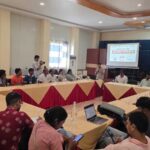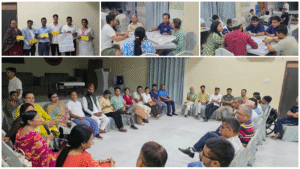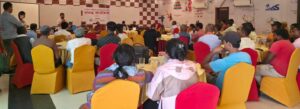
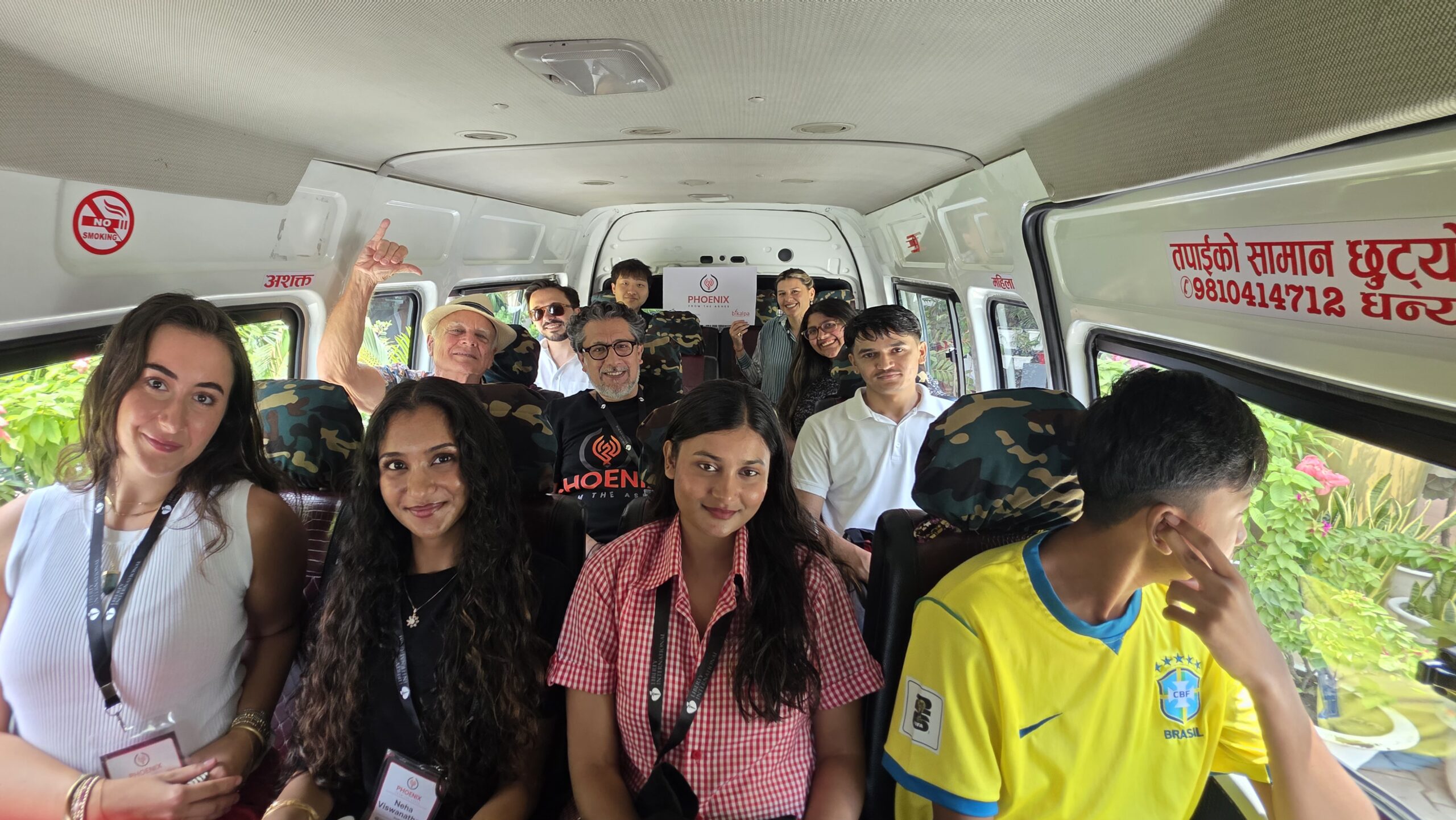
From July 27 to August 5, 2026, as part of the Phoenix from the Ashes program by Liberty International, Bikalpa – An Alternative facilitated an exposure and learning visit for a delegation of professors and students from the United States and other countries.
The visit was designed to provide participants with an opportunity to understand Nepal beyond conventional tourism by engaging directly with people, institutions, businesses, communities, and individuals working across different sectors of Nepali society. Over the course of the program, the delegation explored the political, economic, social, cultural, educational, healthcare, and institutional landscape of Nepal, with a particular focus on Biratnagar and Kathmandu
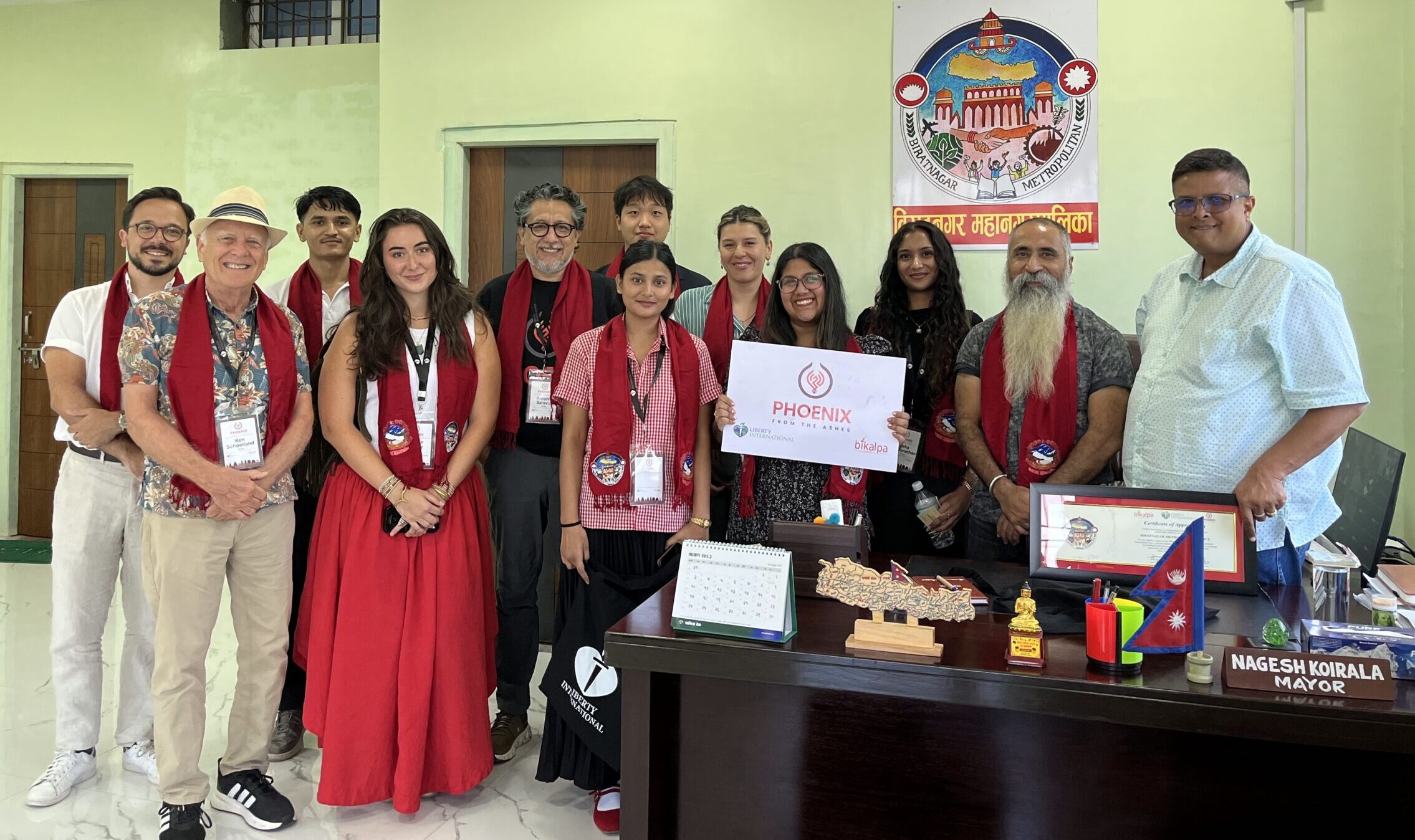
The journey began with a visit to Biratnagar Metropolitan City, where the delegation was welcomed by Mayor Nagesh Koirala. The interaction focused on Biratnagar’s history, political and economic landscape, local governance, urban development, public service delivery, and the city’s social and cultural diversity. The conversation with the Mayor provided participants with a firsthand perspective on the opportunities and challenges of governing one of Nepal’s major urban centers.
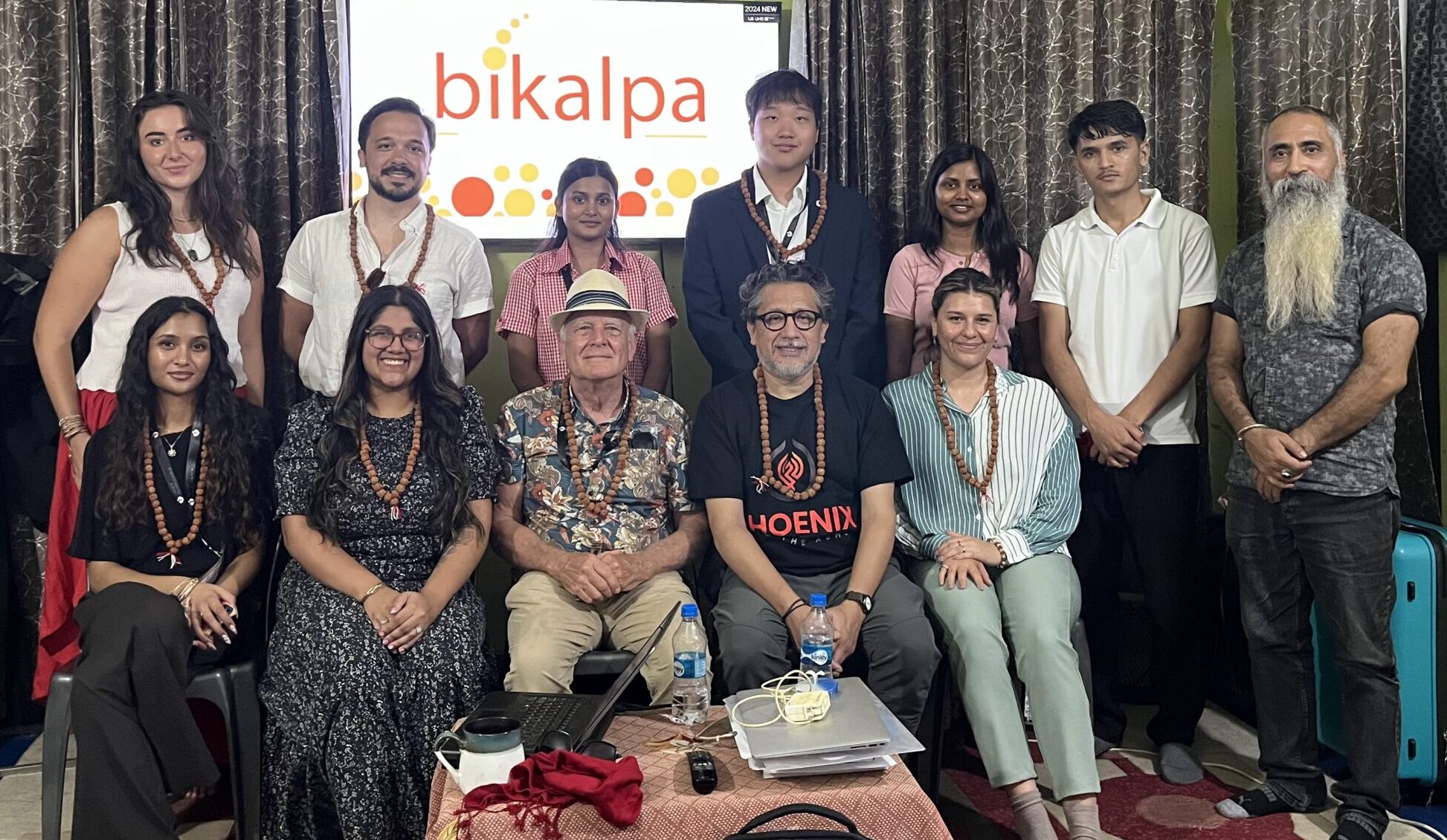
The delegation also visited Bikalpa – An Alternative, where the Bikalpa team introduced the participants to Nepal and Koshi Province, the historical and economic significance of Biratnagar, and the circumstances surrounding the creation of Koshi Province. The team also shared the story behind the name Bikalpa, its major initiatives and successful projects, its recognition through international engagement, and some of the challenges involved in working for institutional and social change in Nepal. The session concluded with an open Q&A, allowing participants to explore the issues in greater depth.
On the Same day, the delegation moved into the world of business and industry through a visit to the Chamber of Industries Morang. Local industrialists shared their experiences of operating businesses in eastern Nepal and discussed the region’s industrial potential, investment opportunities, policy challenges, and the importance of a predictable and investment-friendly environment. The interaction allowed participants to better understand the role of the private sector in Nepal’s economic development.
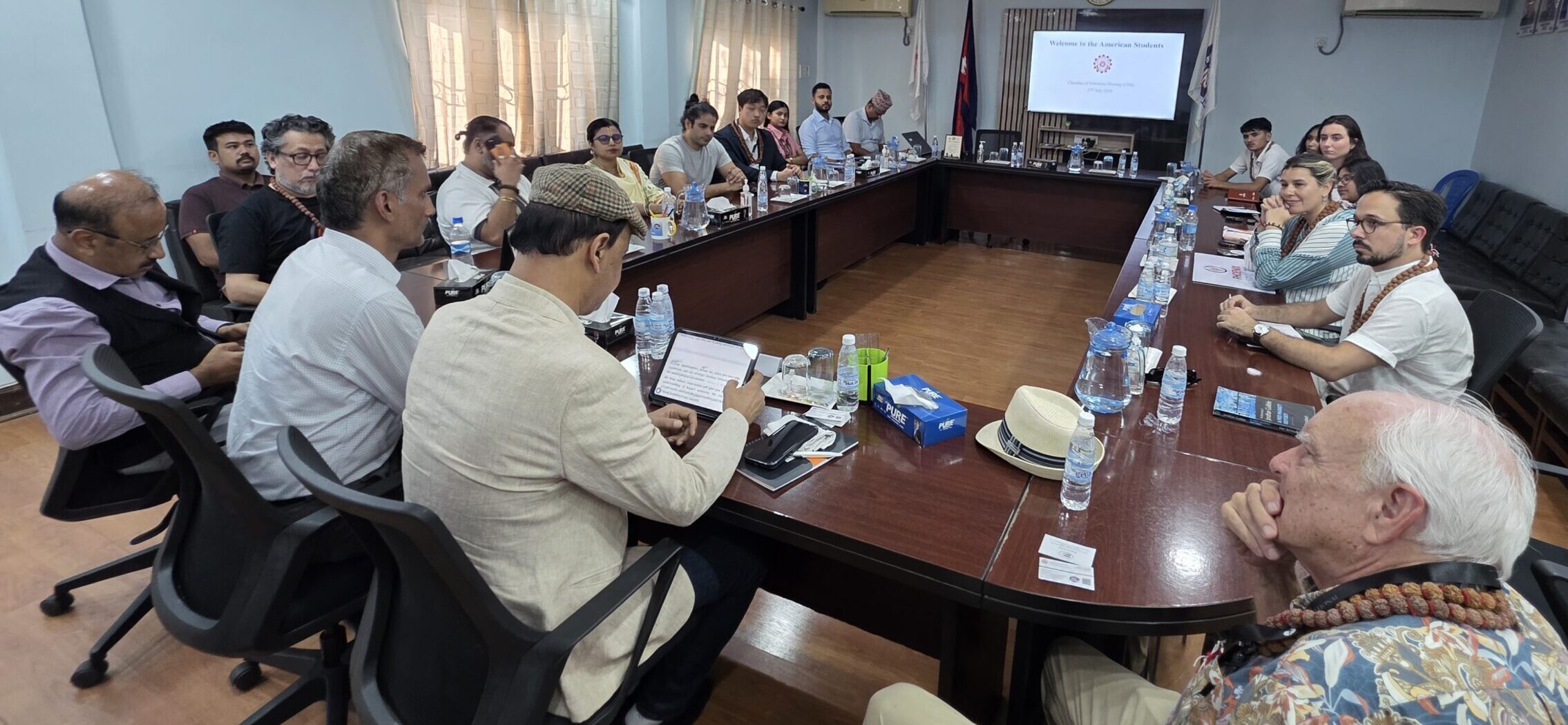
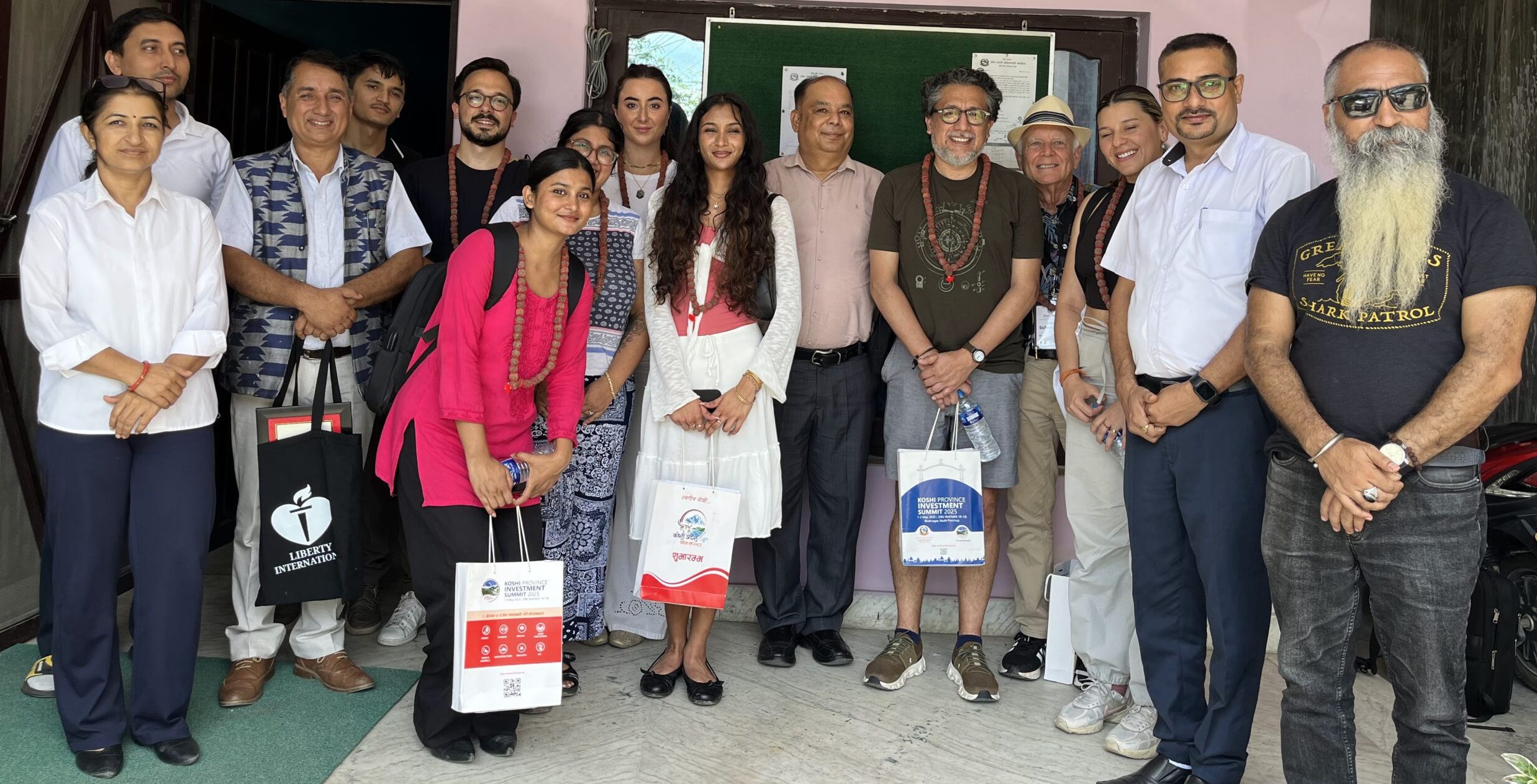
The discussion on Koshi’s economy continued at the Province Investment Authority, Koshi Province, where the delegation participated in a session on “The Economic Potential of Koshi Province and the Opportunities & Challenges that Shape its Investment Landscape.”
Dr. Saroj Koirala, Chief Executive Director of the Province Investment Authority, discussed the role of the Authority, the investment climate in Koshi Province, and the opportunities and challenges facing investors. Dr. Mohan Kumar Subedi, Economic Advisor to the Chief Minister of Koshi Province, provided further perspectives on economic policy, development priorities, investment, and the province’s broader economic environment.
Moving beyond formal institutions, the delegation travelled to a rural community in Jahada Rural Municipality, where participants observed rice plantation and interacted with the local environment and community. 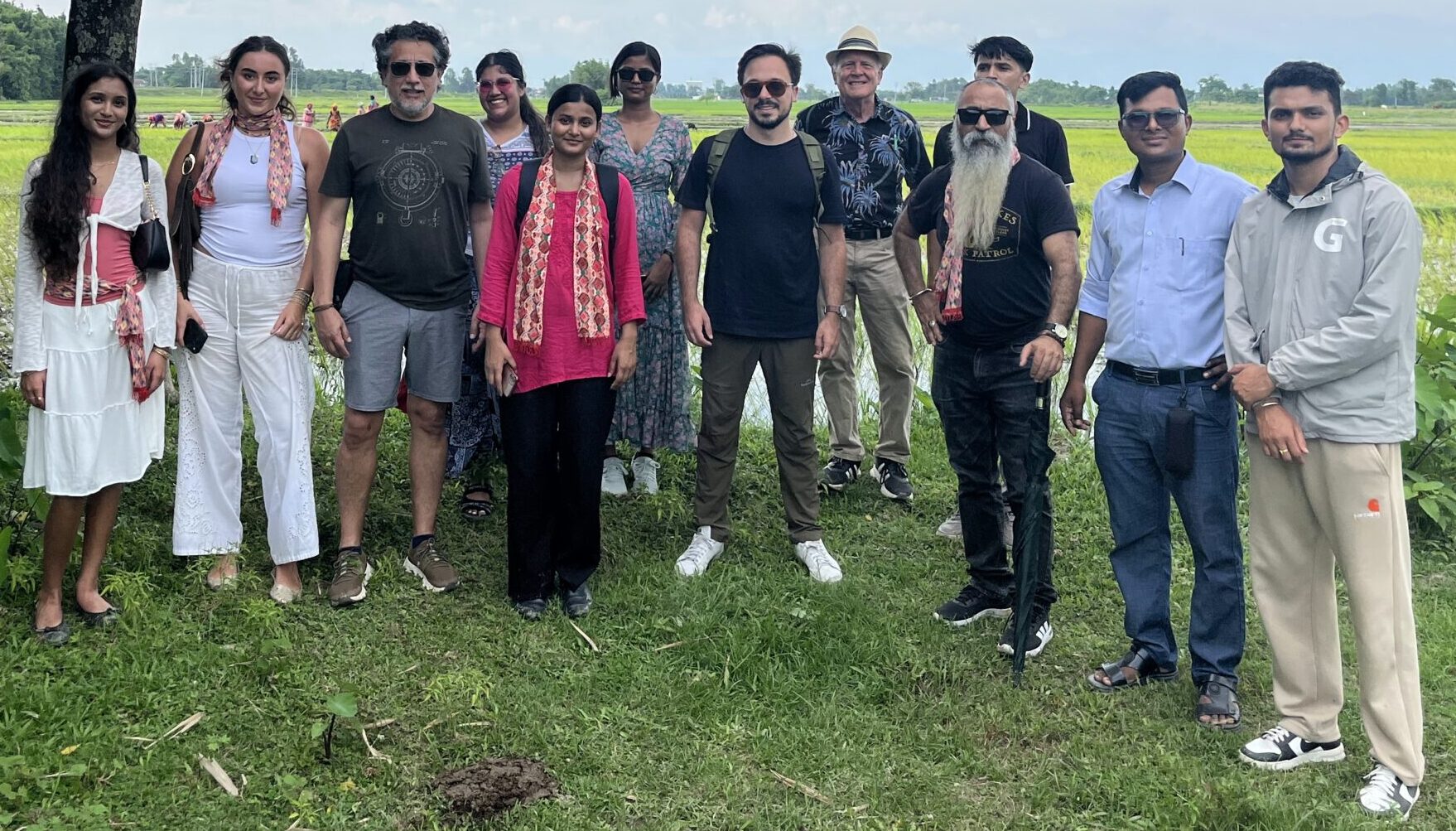
They also visited Laximiniya Haat, a traditional local market. The Haat became an opportunity to discuss how people coordinate economic activities through voluntary exchange and how markets can develop through what economists describe as spontaneous order.
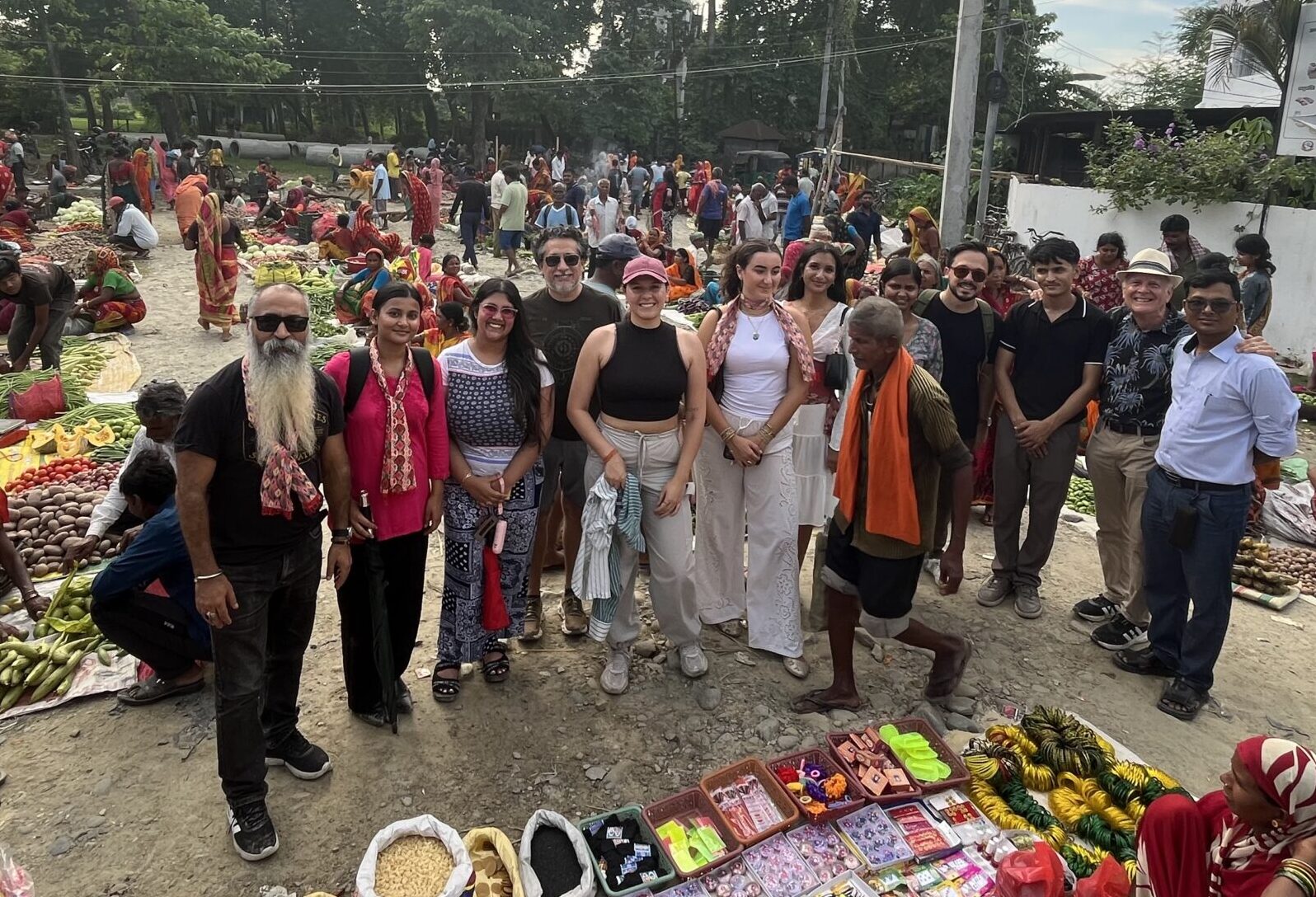
Mr. Badri Rajbanshi, Principal of Ram Janaki Aadharbhut Vidyalaya, Laxmipur, helped the delegation navigate the local area and facilitated their experience of the village and Haat.
The journey then continued toward the Rani border, Jogbani. The visit provided participants with a practical understanding of cross-border trade, customs administration and the economic relationship between Nepal and India.
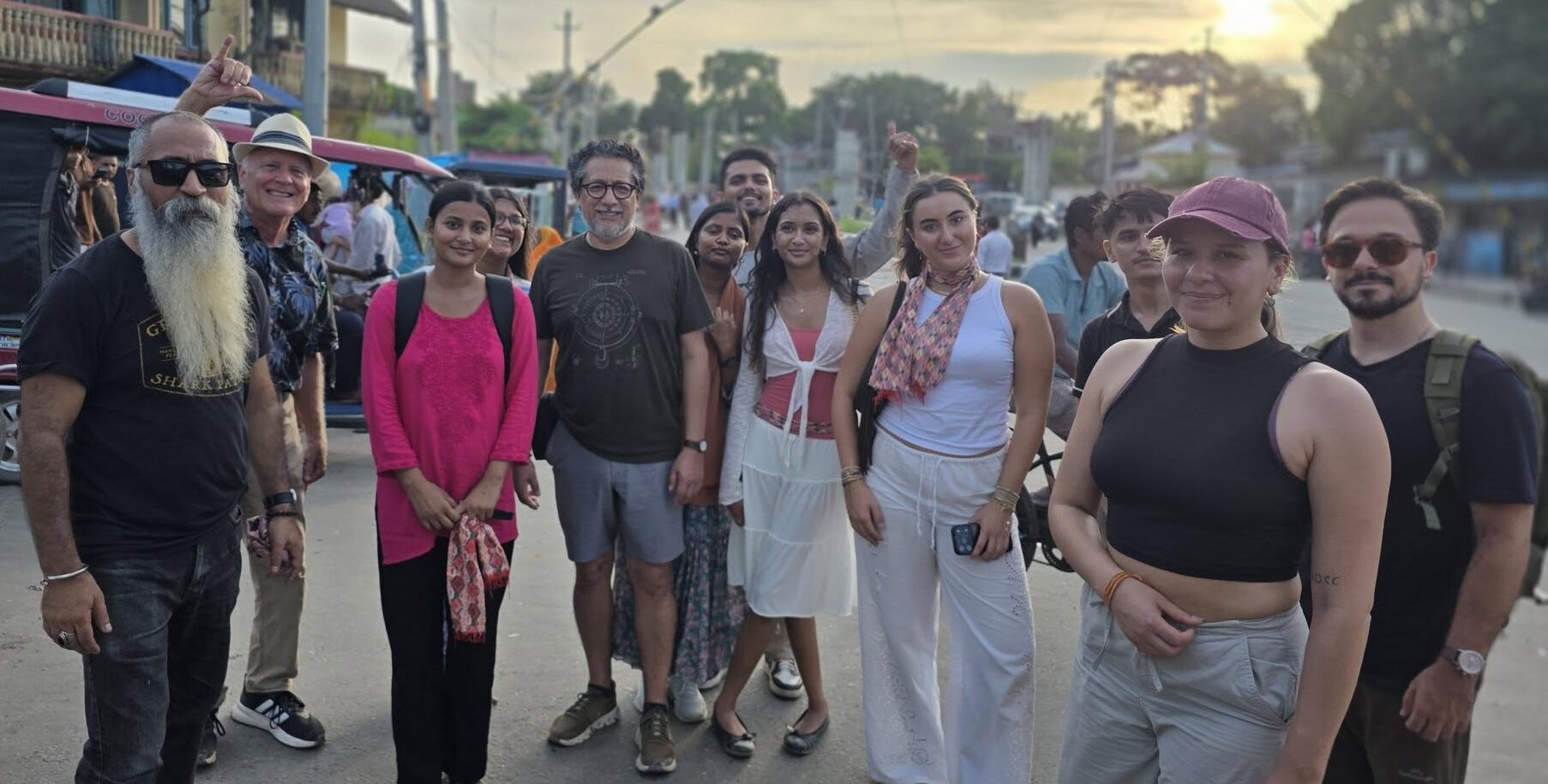
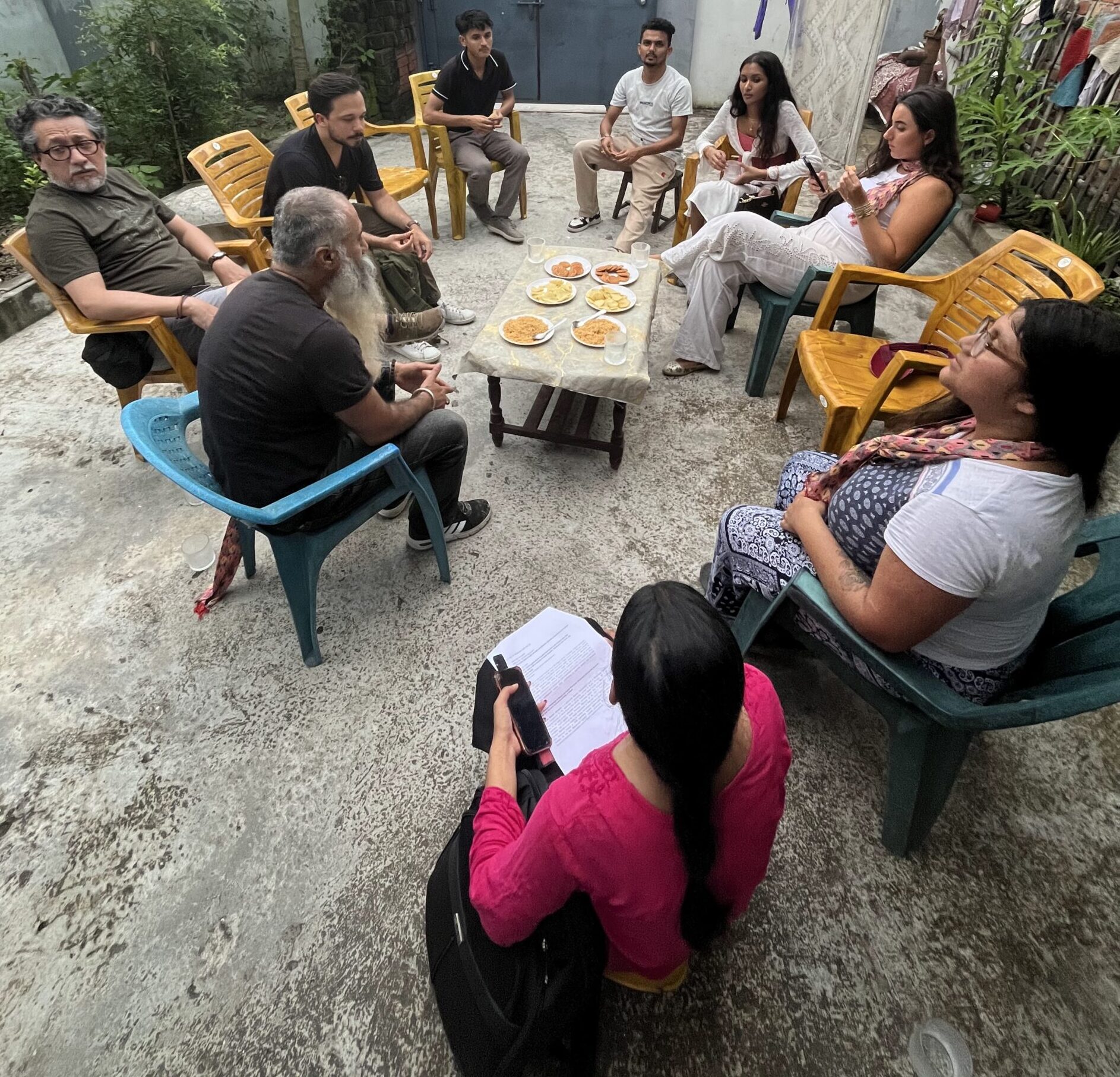
Near the border, the delegation also had tea at the home of Ladli Khatoon, a member of the Bikalpa team. The informal gathering offered a different kind of learning experience, one based on hospitality, conversation and experiencing everyday life within a local community.
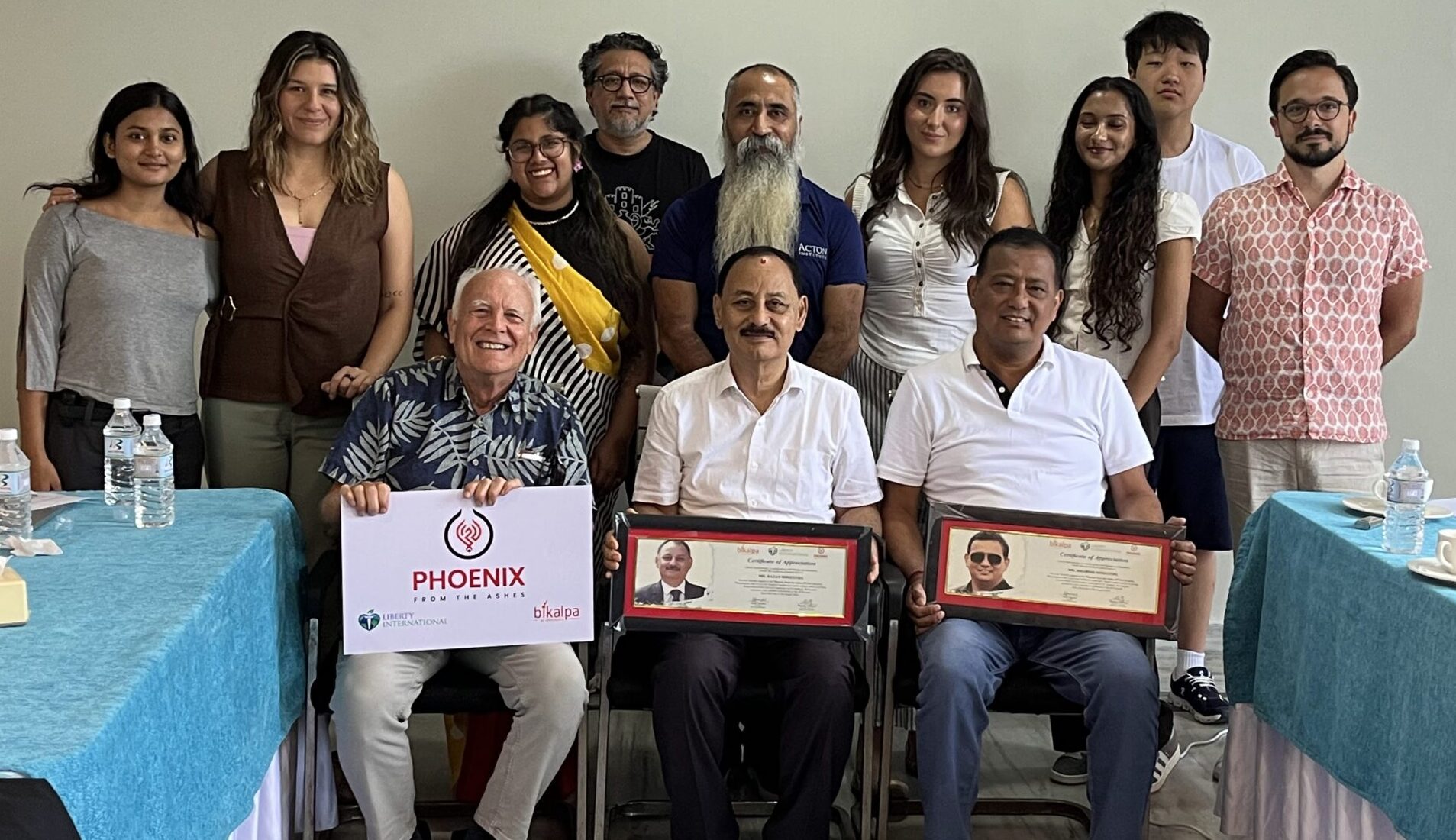
On July 29, the delegation continued its exploration of Nepal’s tourism and hospitality sector through interactions with Mr. Rajan Shrestha, Chairman of Hotel Swagatam, and Mr. Bhabish Kumar Shrestha, Managing Director of Hotel Eastern Star and founder of Naulo Travels and Tours.
The discussion focused on the tourism potential of Nepal and Koshi Province, challenges facing the tourism sector, and tourism entrepreneurship in Nepal. Their experiences provided participants with insight into tourism infrastructure, connectivity, workforce development, destination promotion and the opportunities for developing eastern Nepal as a tourism destination.
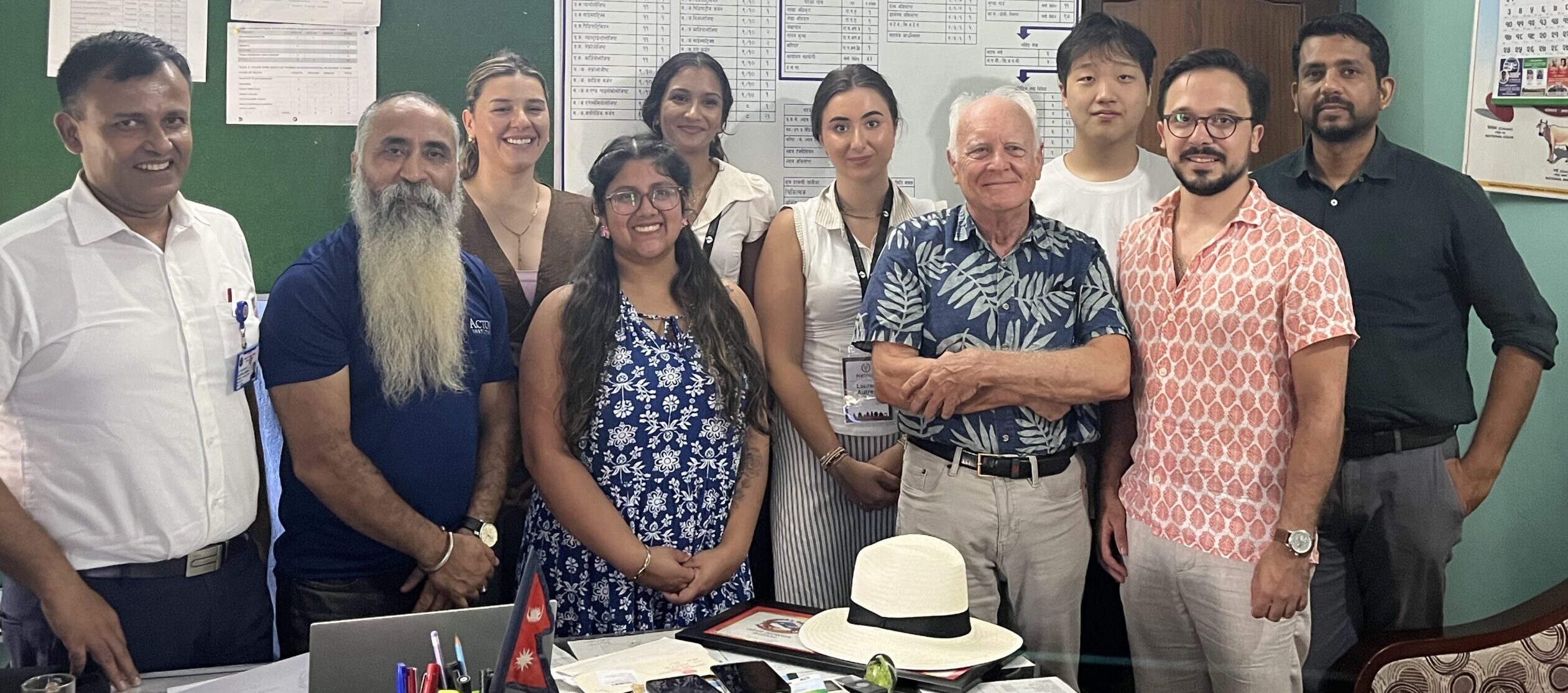
Healthcare was another important area of exploration. At Koshi Hospital, Dr. Chandra Bhal Jha, Chief Medical Superintendent, introduced the delegation to the functioning of the public healthcare system. The discussion covered health insurance, healthcare financing, government service delivery, staff recruitment, registration fees, free and subsidized services, and the infrastructure constraints faced by public hospitals.
The delegation subsequently visited Birat Medical College Teaching Hospital, where Mr. Denis Karki, Chief Executive Officer, discussed the current state of Nepal’s healthcare system, health insurance, and the role of private healthcare providers. He also guided the participants through different departments of the hospital, allowing them to observe the functioning of a large teaching hospital firsthand.
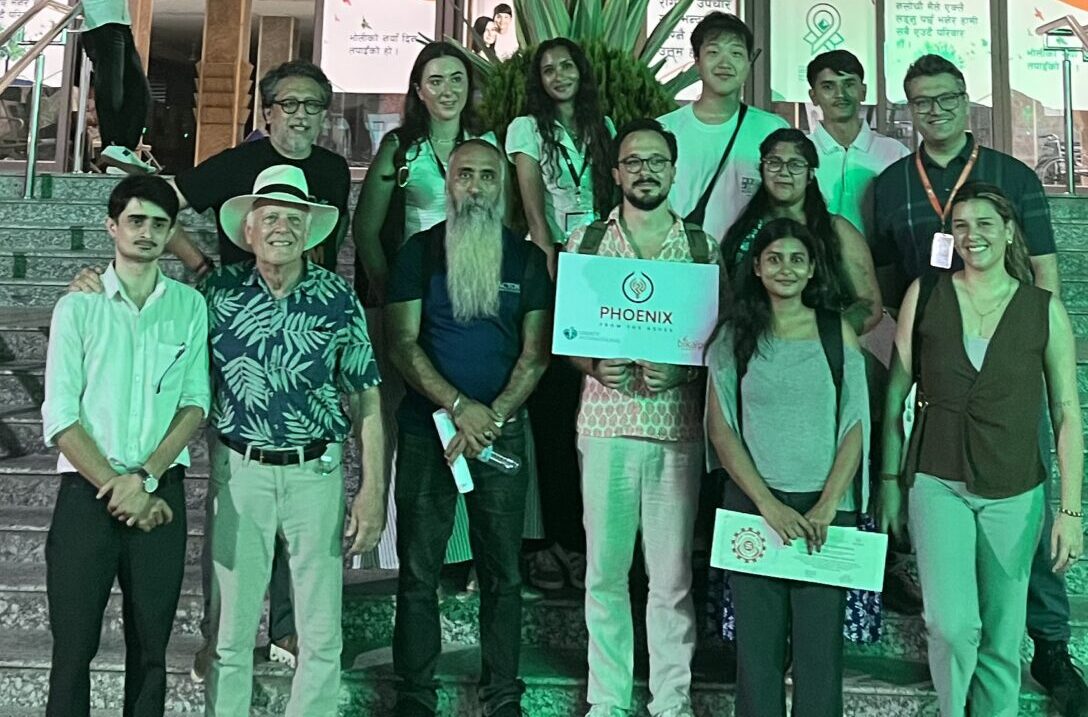
The education sector was explored through visits to both public and private schools.
At Janata Namuna Secondary School, the principal introduced the school and discussed Nepal’s public education system, government policies, school categorization, fee structures and the challenges facing community schools. The discussion also touched on the increasing role of private schools and the changing expectations surrounding education in Nepal.
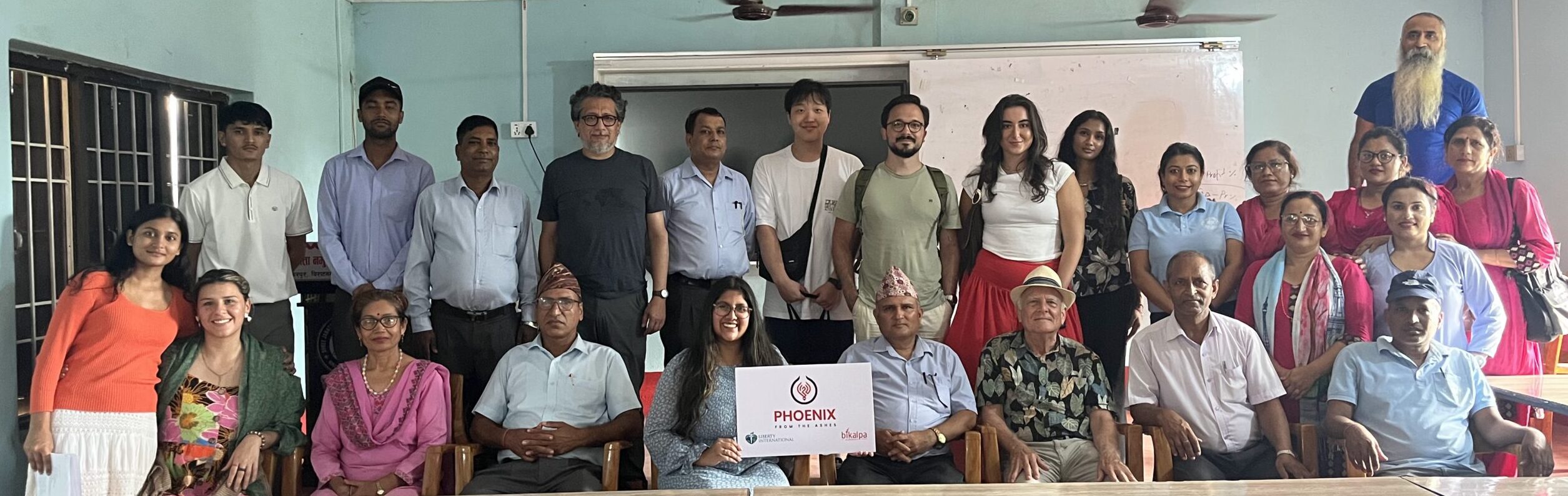
At Lilliput Premier Elementary School, Principal Mr. Chiranjivi Timsina introduced the school’s approach to education, curriculum, facilities and extracurricular activities. The participants discussed holistic education, the operation of private schools and how private education is perceived within Nepali society.
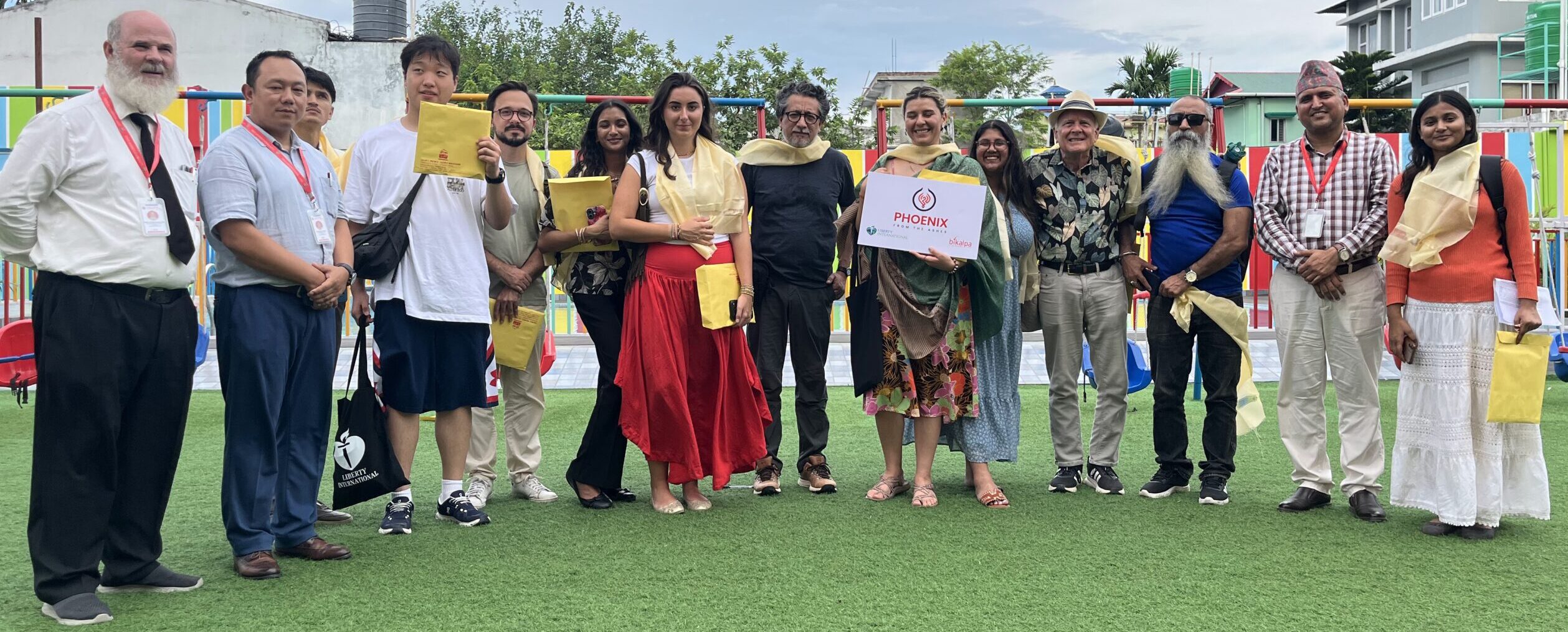
Another important part of the journey was the visit to Birateshwor Briddha Ashram, where the delegation met Mr. Jagat Prasad Aryal, Chairperson of Birateshwor Briddha Ashram Sewa Samiti.
Mr. Aryal shared his personal journey of beginning fundraising after retiring from the teaching profession in 2000. He spoke about how he came across the problems faced by elderly people who were homeless, abandoned or without family support and decided to work toward addressing the issue.
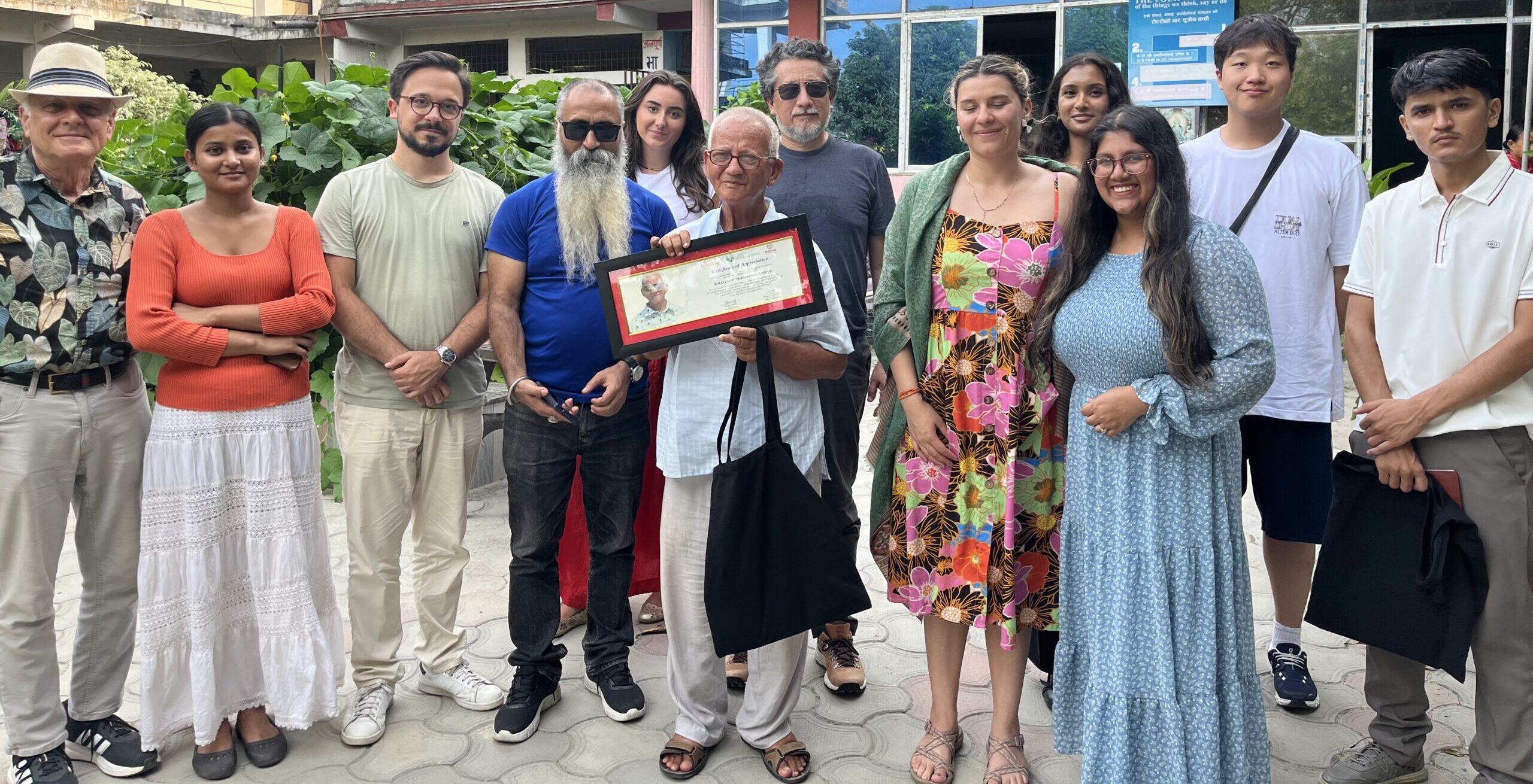
He explained how he used his bicycle to collect funds and developed the idea that even a small contribution from a large number of people could create a significant impact. His efforts eventually helped mobilize substantial resources for the Ashram.
The Ashram currently supports more than 70 elderly people. Food and other support are also regularly provided by individuals and families who visit the Ashram to celebrate special occasions with the residents.
The interaction offered the participants an opportunity to understand community philanthropy, social responsibility and how an individual initiative can develop into a long-term community institution.
The delegation also had the opportunity to understand Nepal’s federal political structure through a visit to the Koshi Province Assembly. Speaker Hon. Ambar Bahadur Bista and Province Assembly Secretary Sudarshan Khadka welcomed the delegation, while Manju Khadka, Deputy Secretary (Law), explained the law-making process, roles and responsibilities of the Provincial Assembly. The participants also watched an introductory presentation on Koshi Province.
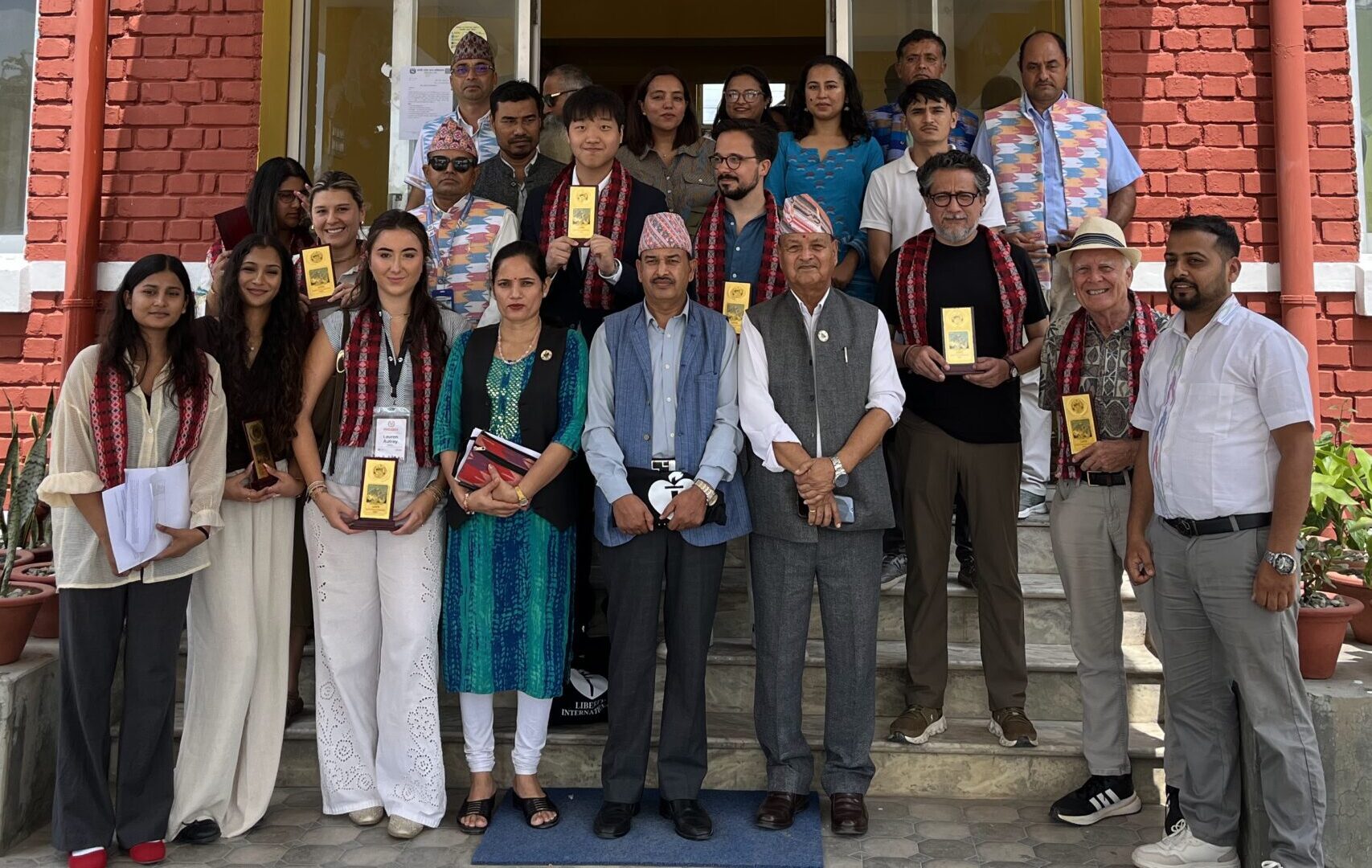
After concluding their interactions in eastern Nepal, the delegation traveled to Kathmandu to explore the broader national context of governance, political economy, and fundamental freedoms in Nepal.
The political landscape of Nepal was further explored through an interaction with Mr. Deependra Chaulagain, Advisor, Political Economy at Samriddhi Foundation.
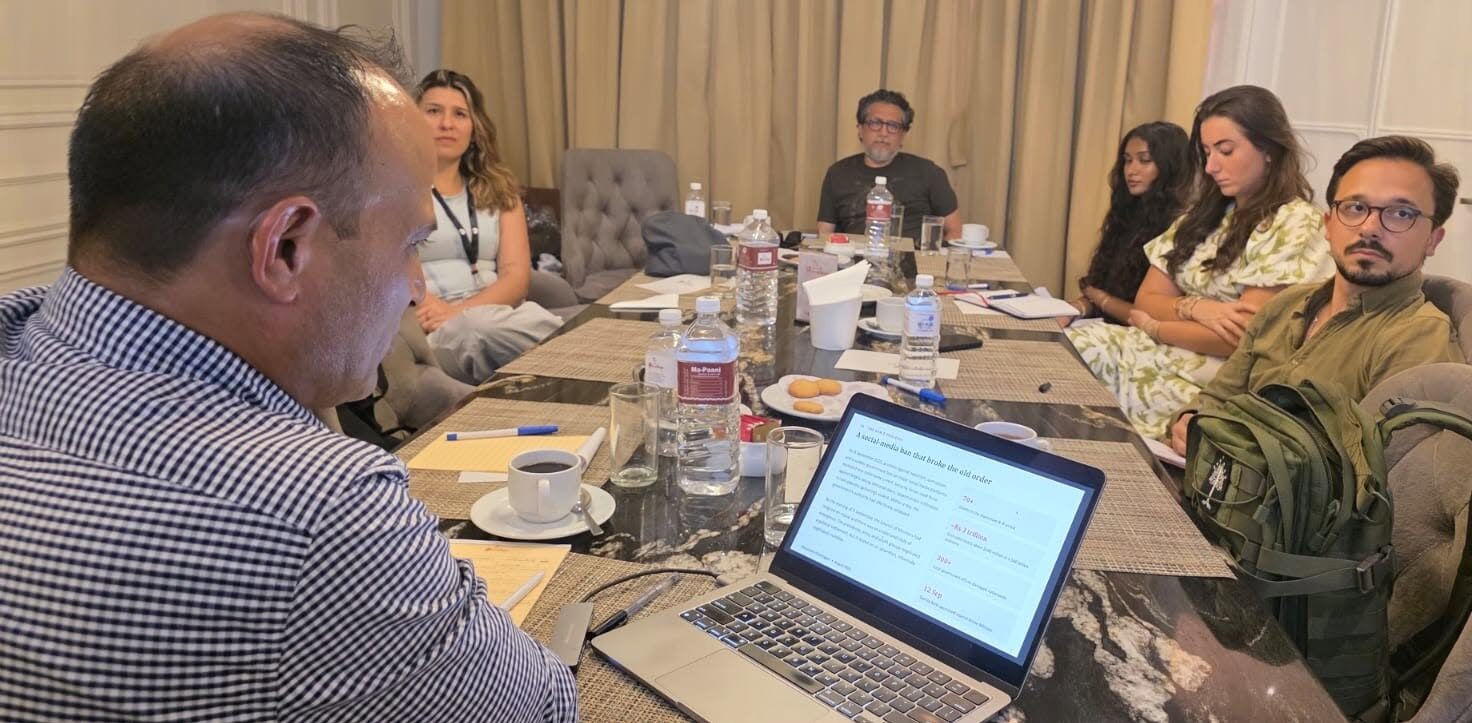
The discussion provided participants with an opportunity to understand Nepal’s political landscape, political economy, governance and civic engagement from the perspective of someone with extensive experience in policy, governance and civic leadership.
The delegation also interacted with Dr. Dipesh Kumar Ghimire, Assistant Professor of Sociology at Tribhuvan University, on “Democracy, Good Governance, and Accountability in Nepal.”
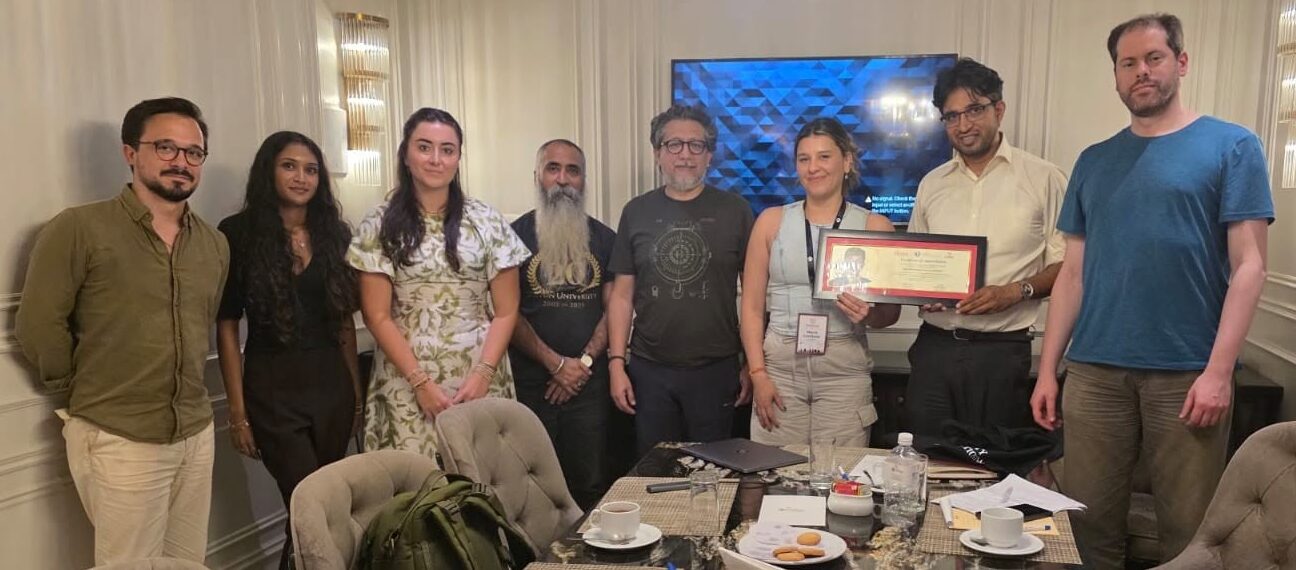
The discussion explored democratic institutions, good governance, accountability, citizen participation and the role citizens can play in strengthening democratic institutions in Nepal.
At Samriddhi Foundation, participants learned about the organization’s history, its work as a research and educational institution, the concept of economic freedom in Nepal and the role of institutions in shaping public policy.
The delegation also interacted with Mr. Yatindra KC, Researcher at Samriddhi Foundation, on “Rule of Law and Private Property Rights in Nepal.” The discussion focused on the importance of rule of law and secure property rights in shaping Nepal’s institutional and economic environment.
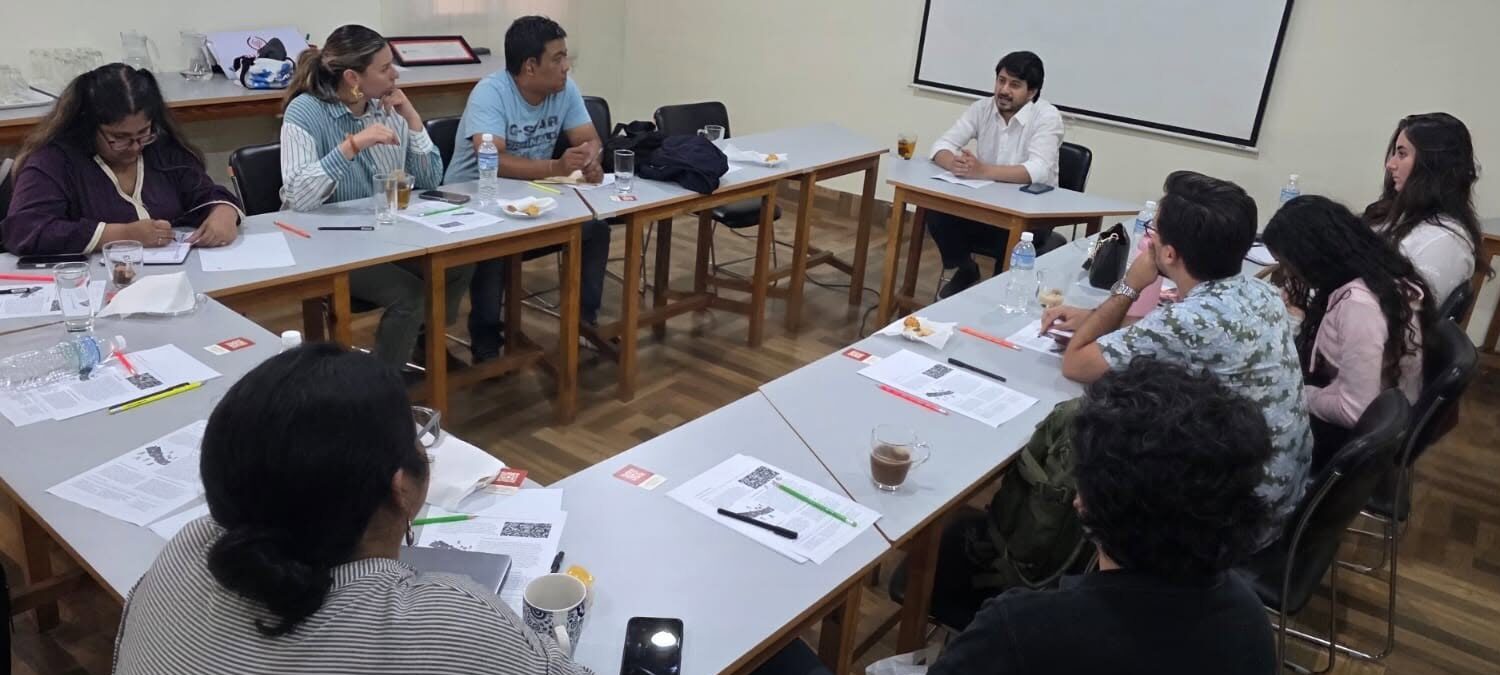
The private sector perspective was further explored through an interaction with Mr. Niranjan Shrestha, Executive Director of Laxmi Group. The discussion focused on business opportunities and challenges, the role of the private sector in Nepal, labor issues and the investment climate.
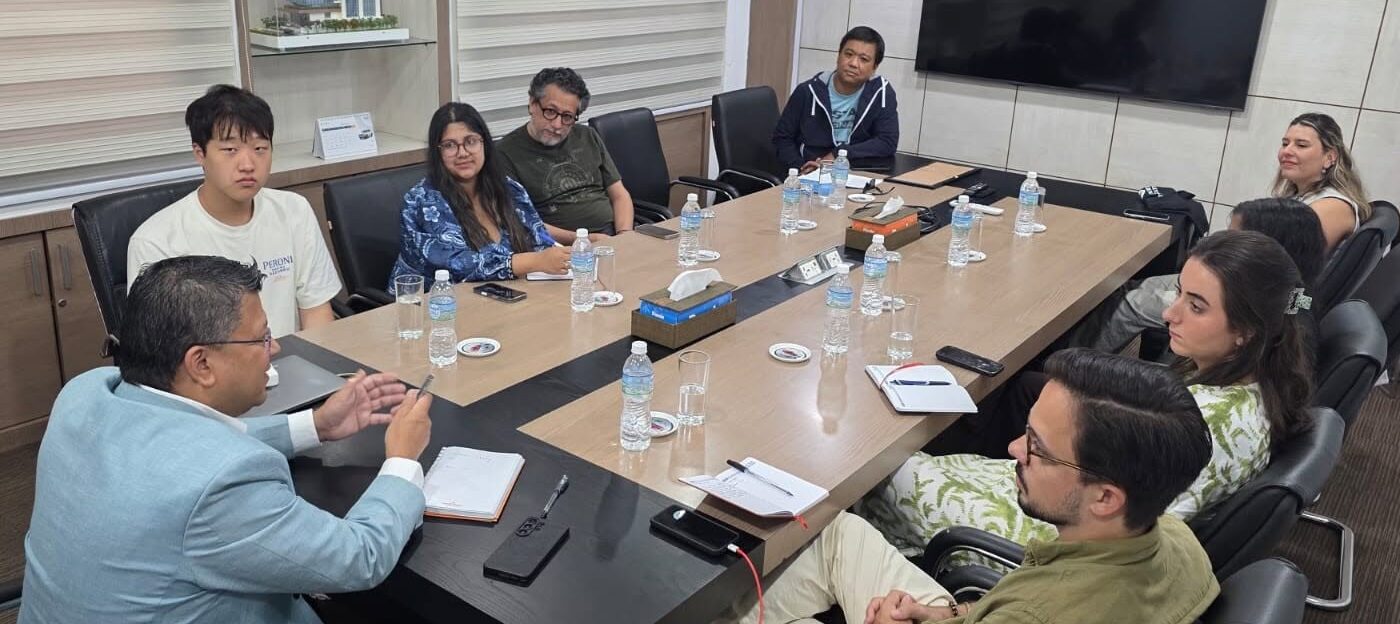
On August 3, 2026, the delegation engaged in a discussion with Mr. Pradip Pariyar, social justice advocate and founder of the Dalit Lives Matter Global Alliance.
The session focused on “Understanding Nepal’s Caste System, Dalit Rights and Social Justice, Social Inclusion, and the Dalit Movement in Nepal.”
Mr. Pariyar shared perspectives on Nepal’s caste system, the challenges faced by Dalit communities, social inclusion, representation and the continuing movement for dignity and equality.
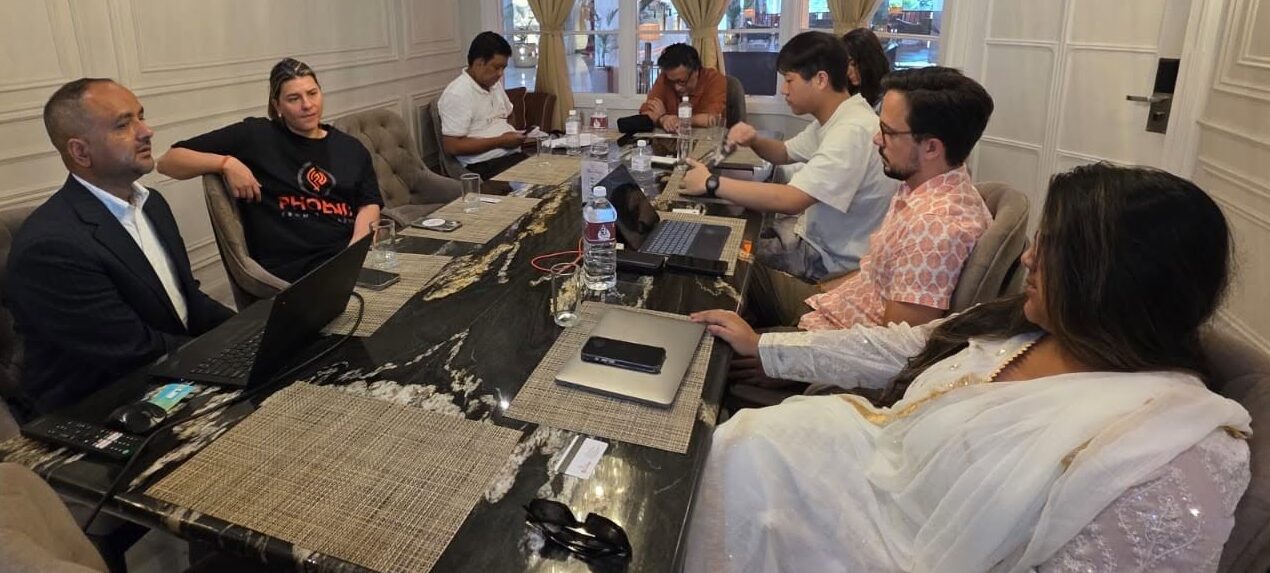
The interaction provided participants with an opportunity to understand one of the important social dimensions of Nepal through direct engagement with a social justice advocate who has worked extensively on inclusion and civic leadership.
On August 4, 2026, the delegation continued its interactions with individuals working across media, entrepreneurship, environmental conservation and civic engagement.
The delegation met Ms. Charu Chadha, Editor of Business 360 and WOW (World of Women) magazines, for a discussion on women in leadership, entrepreneurship, media and breaking barriers in Nepal.
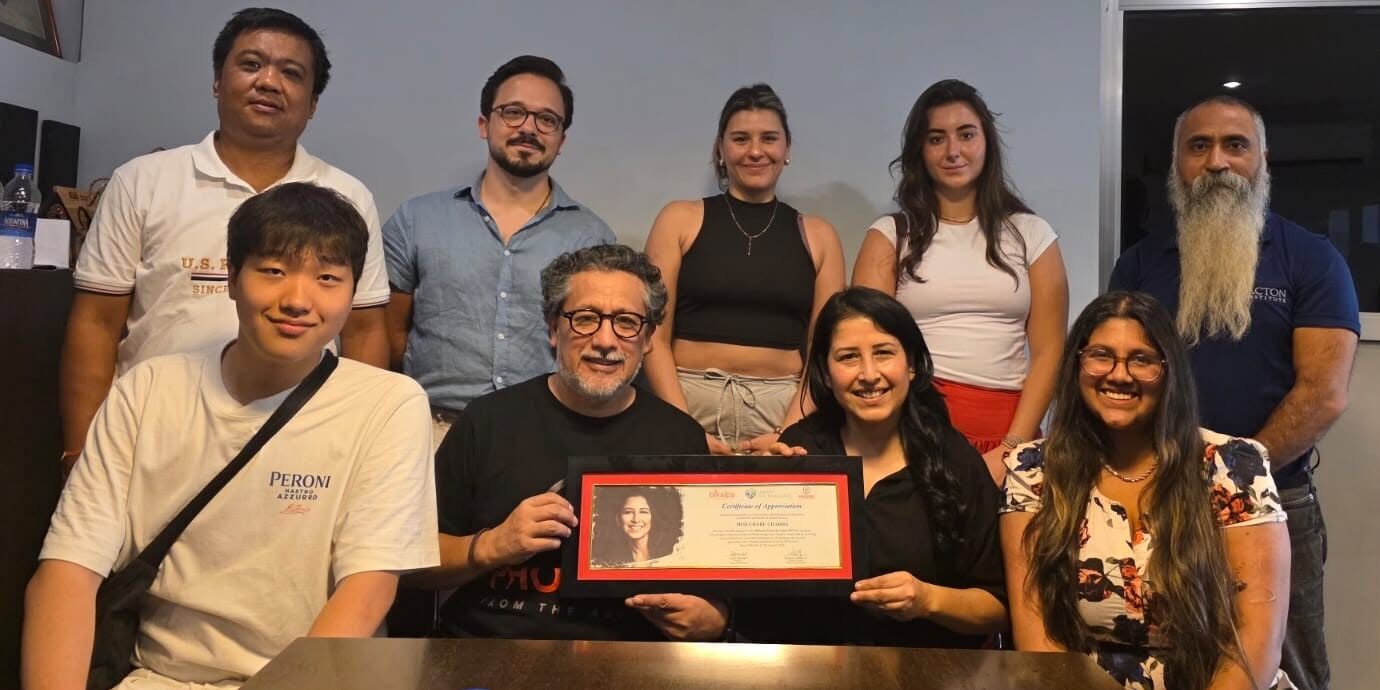
The discussion also explored how journalism influences business, entrepreneurship and public policy and why independent media remains important in a democratic society.
The same day, the delegation interacted with renowned social entrepreneur and environmentalist Mr. Anil Chitrakar on “Protecting Nepal’s Natural and Cultural Heritage: Challenges and Opportunities.”
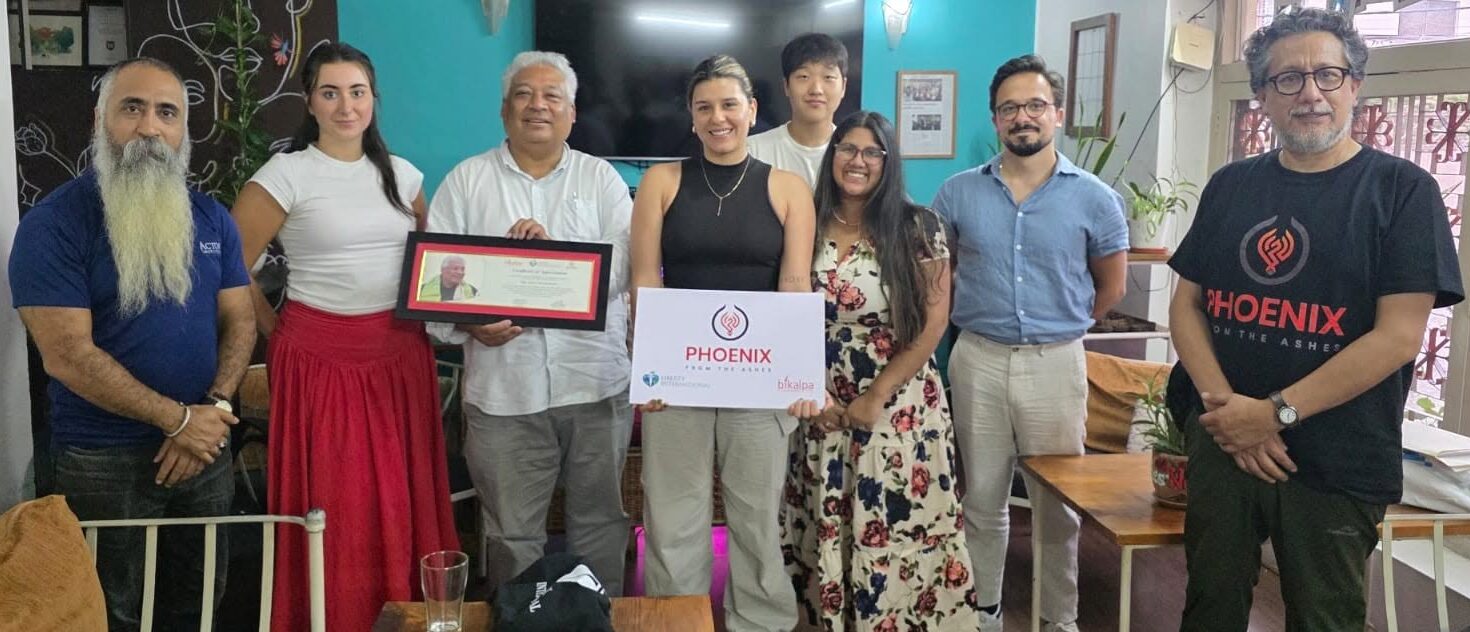
The discussion focused on Nepal’s rich natural and cultural heritage, the challenges surrounding its protection, and the importance of community resilience and participation in conserving heritage for future generations.
The delegation also interacted with Mr. Majid Ansari on “Nepal’s Gen Z Protests: Civic Engagement, Rule of Law, Government Accountability, and the Future of Democracy.”
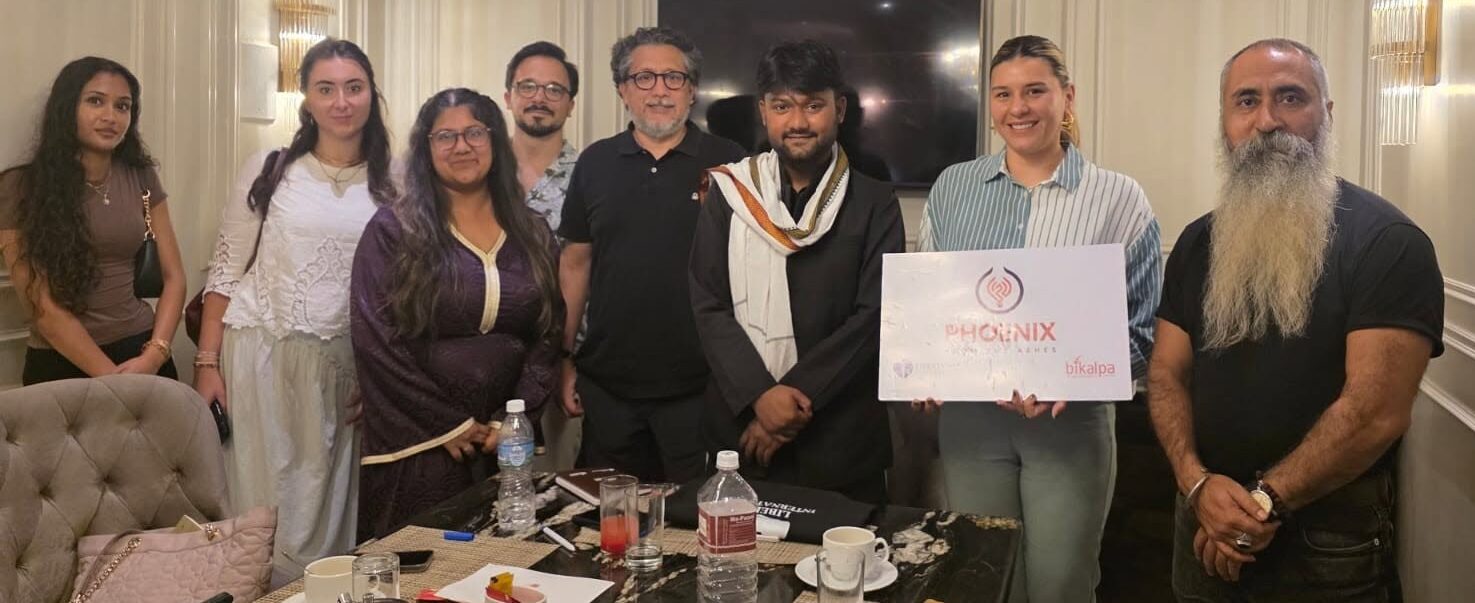
The conversation provided participants with an opportunity to understand contemporary youth engagement in Nepal, including discussions around rule of law, government accountability, transparency, institutional reform and the future of democracy.
On August 4, 2026 Bikalpa – An Alternative also facilitated an informal interaction between international professors and students and local street vendors in Kathmandu. The interaction provided participants with a firsthand perspective on informal entrepreneurship and Nepal’s grassroots economy. Through conversations with vendors, the delegation learned about their daily livelihoods, business experiences, challenges, and the role of street-based commerce in supporting families and serving local communities. Moving beyond formal institutions and conference rooms, the experience allowed participants to listen directly to ordinary citizens and better understand the realities of Nepal’s informal economy.
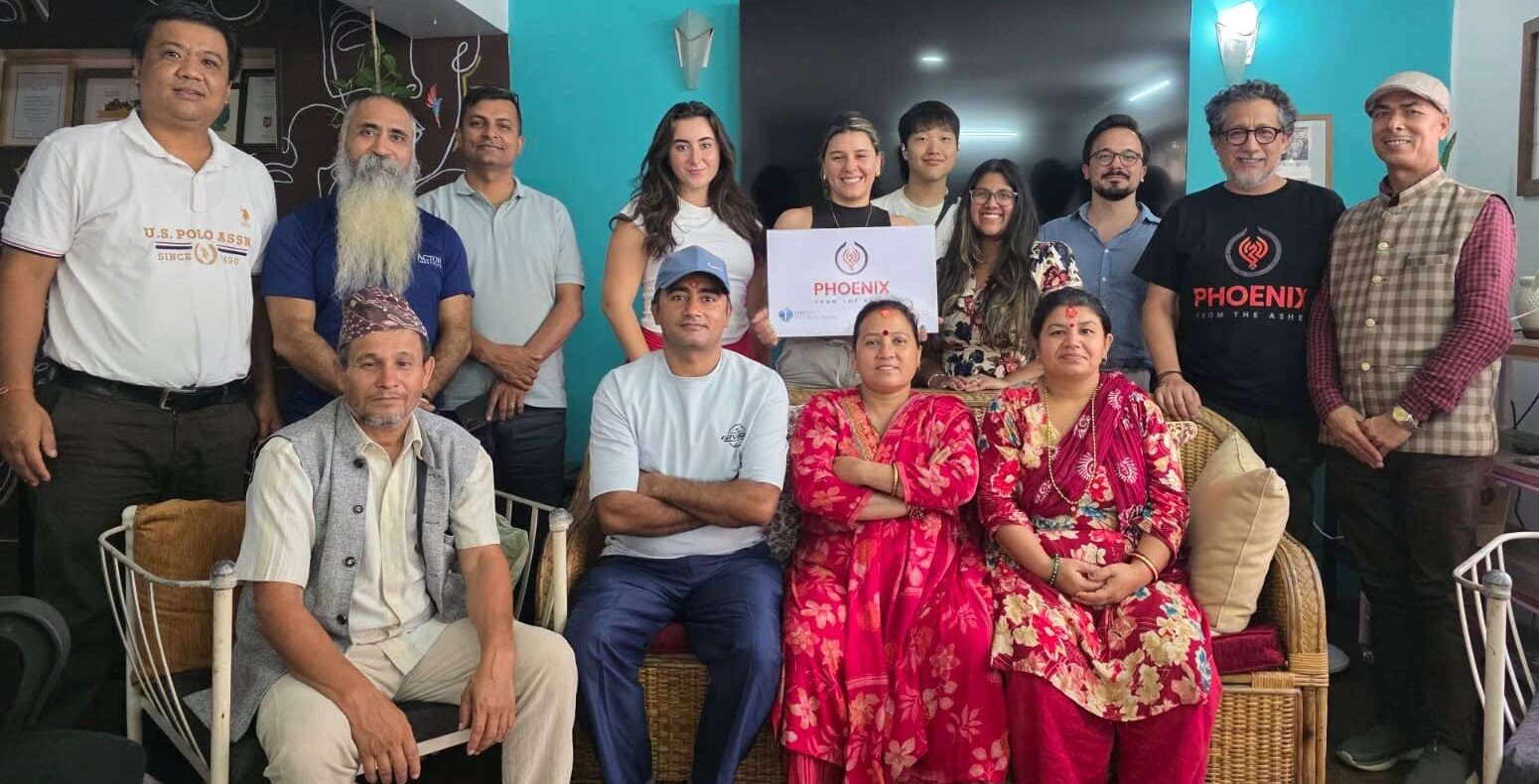
Throughout the program, the delegation encountered Nepal from different perspectives—from municipal government and provincial institutions to industries, hospitals and schools; from investment and tourism to social justice and environmental conservation; and from formal economic institutions to rural markets and street vendors.
The participants were able to ask questions, engage with people working in different sectors and connect broader ideas with the realities of Nepal. At the same time, the interactions created an opportunity for Nepali institutions and individuals to share their experiences with an international audience and explore possibilities for future collaboration in education, research, entrepreneurship, investment and civic engagement.
The Phoenix from the Ashes program thus became an opportunity for learning that moved beyond conventional classroom settings. From the offices of elected representatives to the fields of rural Nepal, from provincial institutions to local Haat markets, and from business leaders to ordinary citizens, the delegation encountered different aspects of Nepal’s social, economic and institutional life.
For Bikalpa, such exchanges represent the importance of creating spaces where people meet, ideas are exchanged, questions are encouraged, and different perspectives can be understood through direct experience.
The journey was therefore not only an exposure visit for the international delegation, but also an opportunity to build connections between Nepal and the wider world through dialogue, learning and shared experiences.