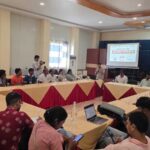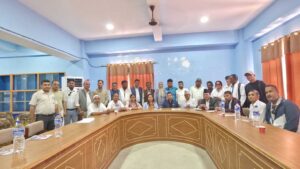
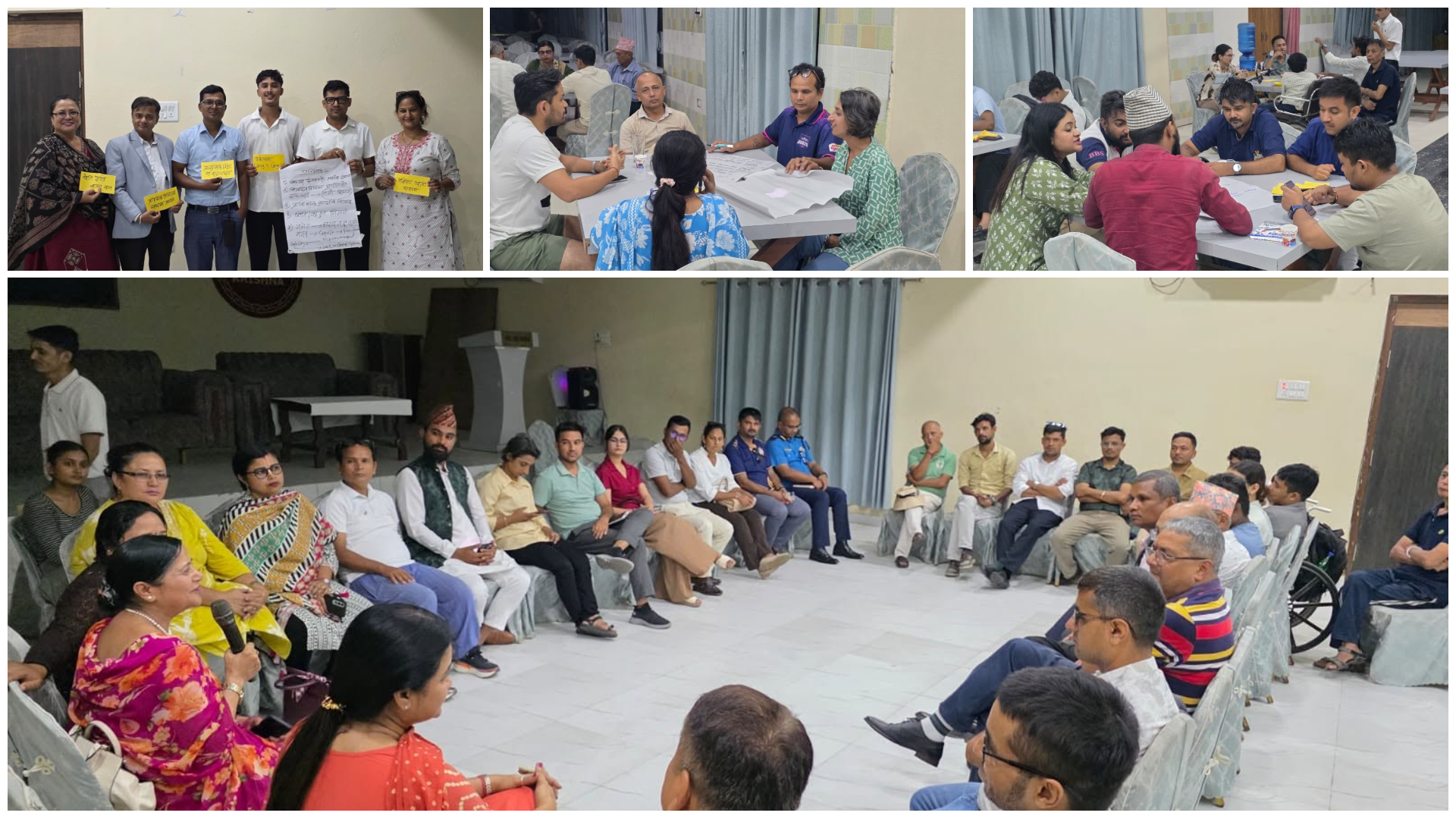
From September 20 to September 22, 2026, Bikalpa – An Alternative organized a three-day coordination meeting as part of the process of establishing the Multi-Stakeholder Civic Engagement Advocacy Platform in Koshi Province, under the United Nations Development Programme (UNDP) Nepal’s Advancing Civic Engagement for Democratic Participation Project.
The three-day meeting brought together diverse civic actors from across sectors to begin shaping how the proposed platform can function as a space for dialogue, collaboration, evidence-based advocacy, and collective civic action. Building on the consultations conducted with civil society, youth and Gen Z, academia and journalism, the business and private sector, and duty bearers, the coordination meeting provided an opportunity for participants to move beyond individual sectoral perspectives and begin working together as a platform.
Day 1: Connecting, Sharing and Building Together
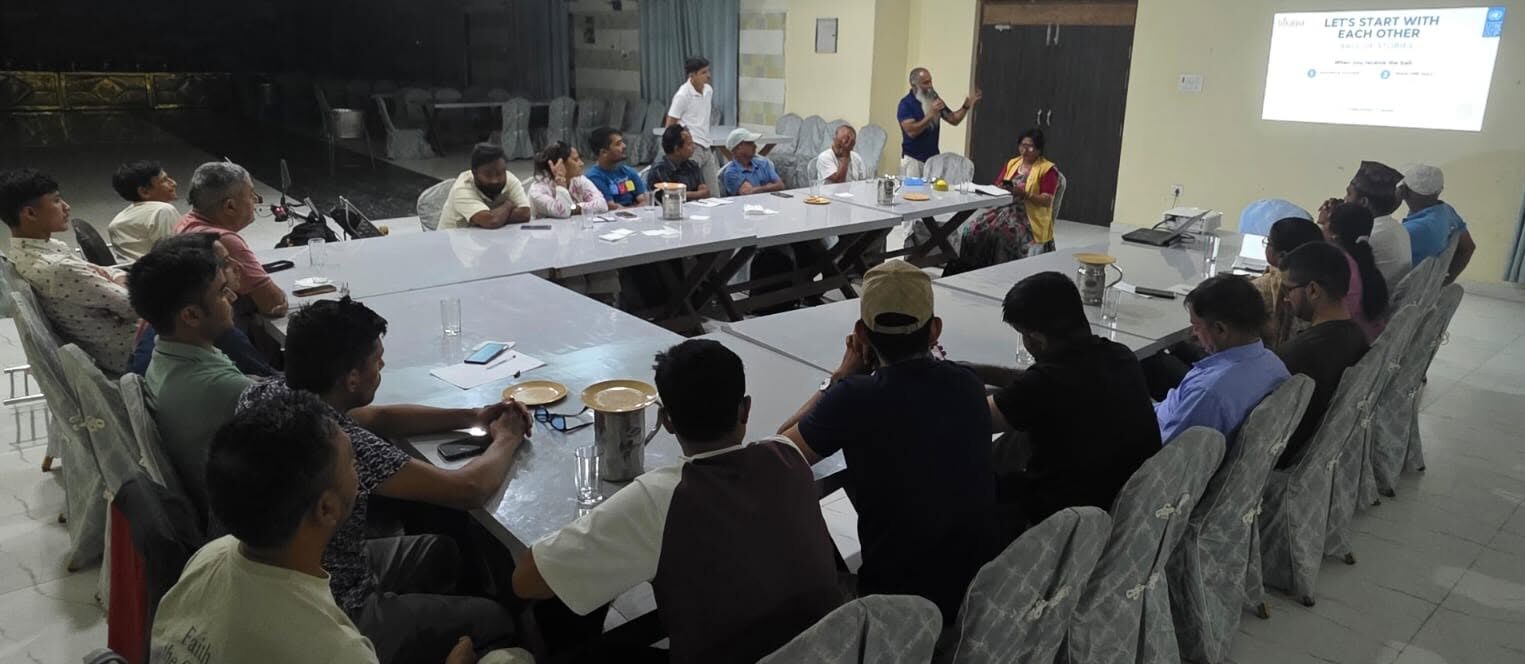
The first day focused on getting to know one another, building trust, and understanding what different participants could contribute to a shared civic space. Participants came from diverse backgrounds, including youth and Gen Z, civil society, duty bearers, academia, journalism, the private sector, and other civic actors. Each participant brought different experiences, areas of expertise, and perspectives on civic engagement in Koshi Province. The day began with opportunities for participants to connect beyond their formal roles and organizations. Through the Ball of Stories activity and individual reflections, participants shared personal experiences, memorable moments, and their journeys in civic engagement. The discussion then moved toward a central question: “What are we building together?” Participants reflected on what a meaningful multi-stakeholder civic platform should look like and how it could create space for different actors to listen, deliberate, collaborate, and act together. Rather than functioning simply as another meeting forum, the platform was discussed as a potential space where diverse civic actors could bring their knowledge, experiences, networks, and perspectives to address issues that matter to communities.
The day concluded with reflections on participants’ experiences, aspirations, and contributions to the emerging platform.
Day 2: From Stories to Shared Issues
Following the first day of the meeting, which focused on building connections, sharing experiences, and understanding the diverse perspectives and contributions of participants, Day 2 moved the conversation toward a more substantive question:
What issues in Koshi Province deserve our collective attention, and what could we do together to address them?
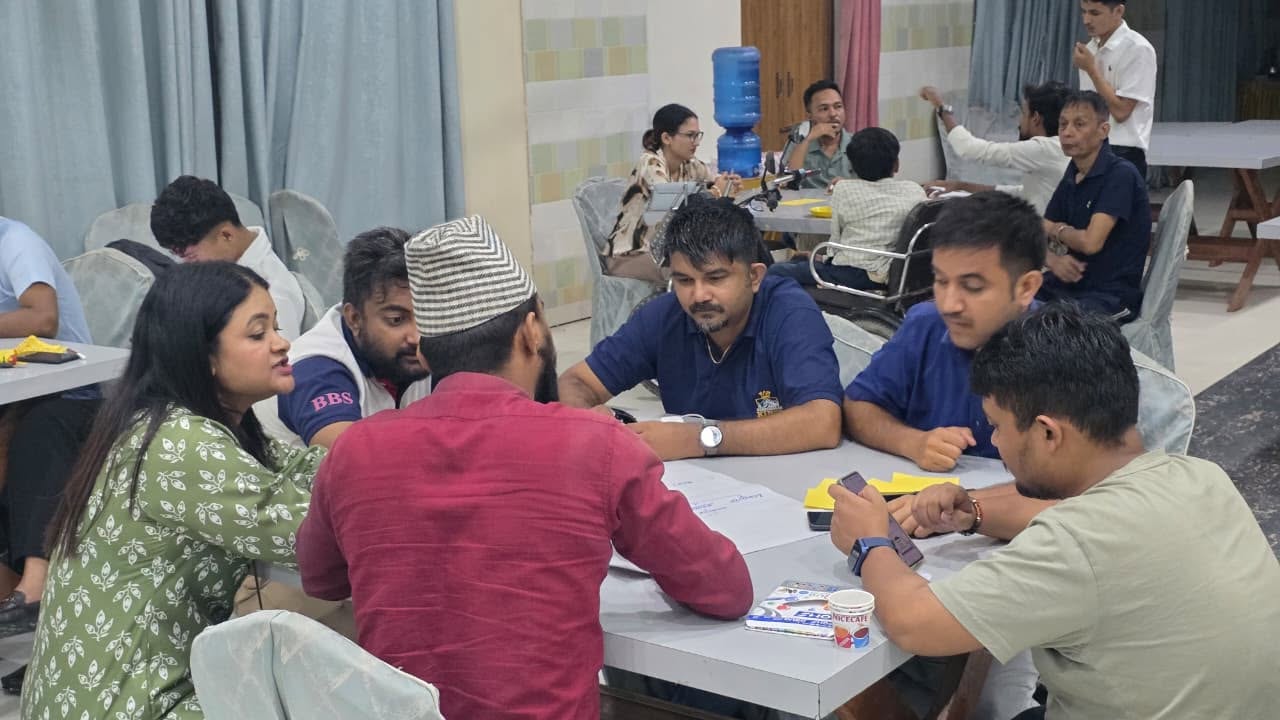
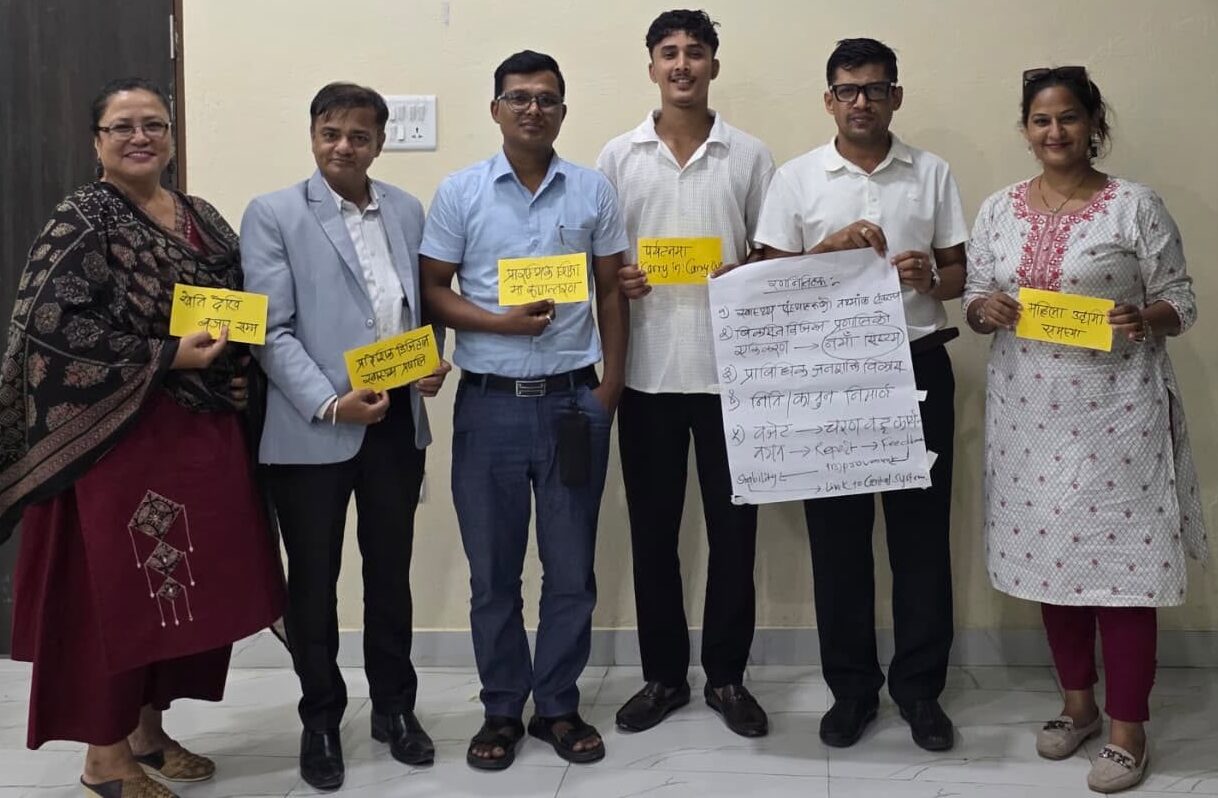
The day provided participants with an opportunity to move from individual experiences and observations toward shared issues, while also beginning to explore possible directions for civic engagement and collective action. Working in diverse groups, participants identified and discussed issues emerging from their experiences, communities, and areas of work. The issues included early education and educational transformation, tourism and waste management, agriculture and farm-to-market linkages, women’s entrepreneurship, digital healthcare, mental health and wellbeing, civic sense and citizen responsibility, transparency and the Right to Information, public libraries and reading culture, and city safari management. The discussions went beyond identifying issues. Participants also explored possible directions for civic engagement, including collaboration among stakeholders, evidence generation, public awareness, dialogue with relevant institutions, and practical community-level initiatives. Group presentations were followed by questions, clarification, and reflection, allowing participants to examine issues from different perspectives, including feasibility, accessibility, coordination, resources, and implementation. Day 2 therefore marked an important transition from individual experiences to shared issues and possible directions for collective action. The discussions provided a foundation for identifying common priorities and developing more concrete action roadmaps as the platform process continued.
Day 3: From Issues to Collective Action
The third day focused on how the emerging platform could move from discussion toward meaningful and sustainable action. Participants reflected on three important questions:
How can the platform be more engaging?
How can it be effective?
How can it be sustainable?
The discussion explored the importance of moving beyond meetings and creating opportunities for members to take collective action. Participants discussed the need for systematic approaches to issue prioritization, including tools such as pair ranking, so that collective priorities can be identified through a transparent process rather than relying only on individual perceptions. The discussion also highlighted the importance of assessing the feasibility of potential actions. Participants explored approaches such as SWOT analysis to understand the strengths, weaknesses, opportunities, and challenges associated with addressing particular issues. Another important theme was measuring effectiveness. Participants emphasized that collective action should begin with clear objectives and success indicators. These indicators can help the platform understand whether an action has achieved its intended results and what needs to be improved. The discussion also recognized that civic action does not always have to begin with large-scale initiatives. Small, practical issues that directly affect people’s everyday lives can also become meaningful entry points for civic engagement and advocacy.
Building Ownership and Sustainability
A significant part of the Day 3 discussion focused on the long-term sustainability of the platform. Participants raised questions about how members can develop a stronger sense of ownership, how responsibilities can be clearly defined, and how the platform can continue beyond the project period. The importance of having clear roles and responsibilities was discussed alongside possible coordination and committee mechanisms. Participants also explored the potential for collaboration with like-minded organizations and institutions that can contribute additional expertise, networks, and resources. A recurring message throughout the discussion was that sustainability cannot depend on a single organization or a project period alone. It requires ownership, institutional connections, defined responsibilities, continued engagement, and collective effort.
Across the three days, participants raised questions that will continue to shape the platform as it develops. How should members work together? How should issues be prioritized? What responsibilities should different members take? How can the platform remain connected to communities? How can it engage with relevant institutions? How can it remain effective and sustainable beyond the project period?
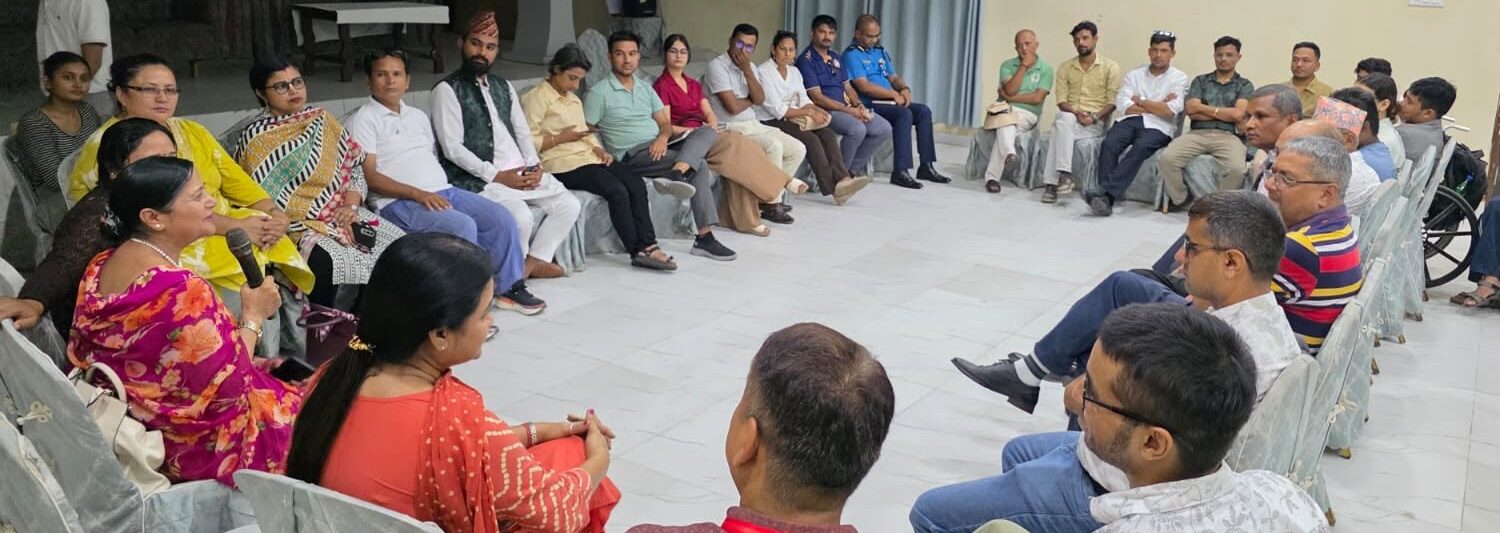
These questions do not have to be answered in a single meeting. The three-day coordination meeting provided a starting point for participants to collectively explore these questions and begin shaping a platform that reflects the experiences, knowledge, and aspirations of its members. The proposed 25-member Multi-Stakeholder Civic Engagement Advocacy Platform is intended to bring together different civic actors and create opportunities for collaboration around issues that require collective attention.
The platform’s strength lies in the diversity around the table: different experiences, different expertise, different networks, and different perspectives contributing to a shared civic space. A civic platform becomes meaningful not simply when people come together, but when they build trust, take ownership, and work together toward issues that matter to their communities.