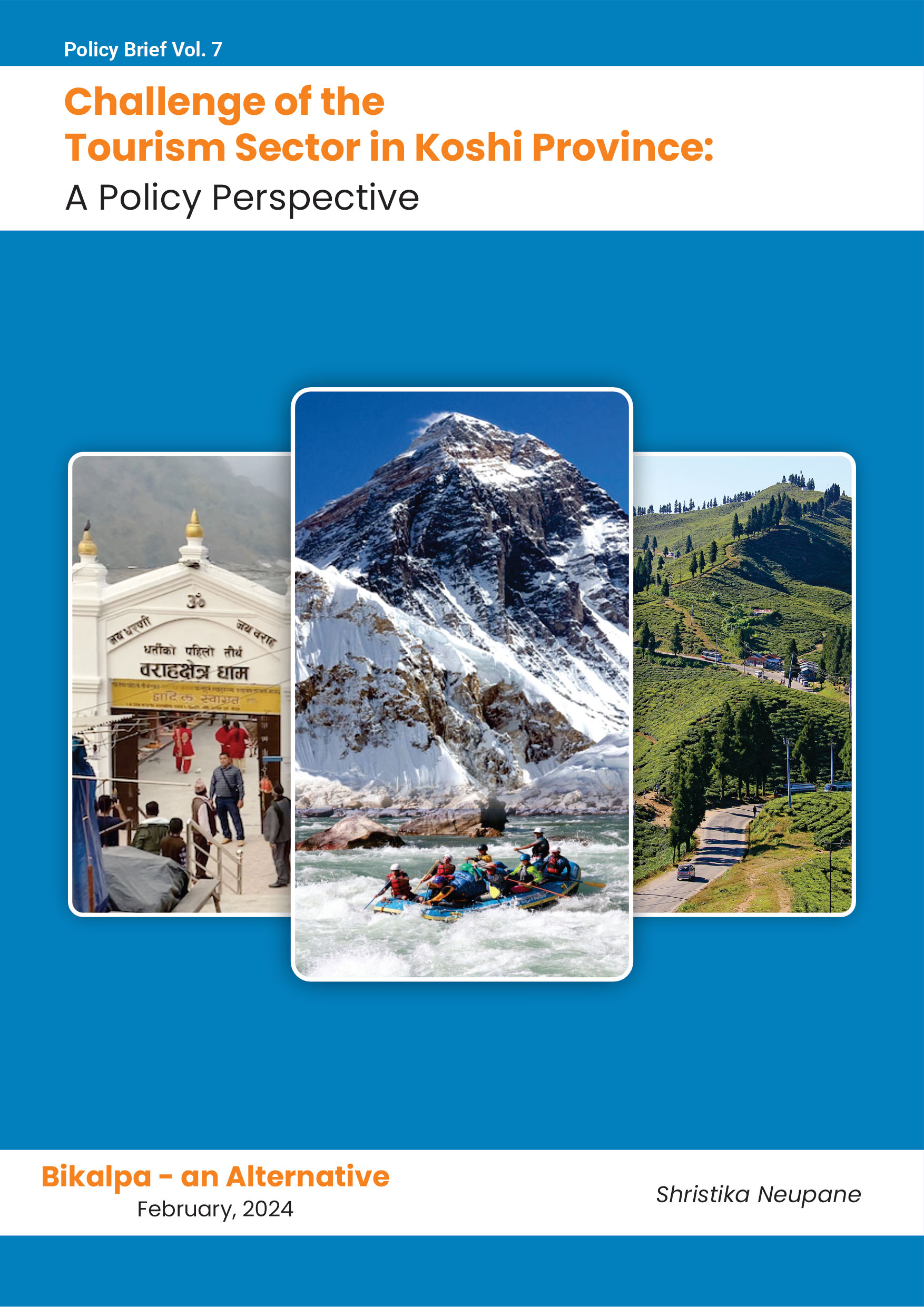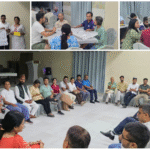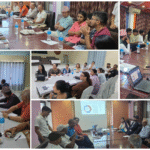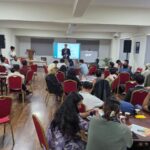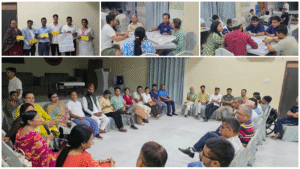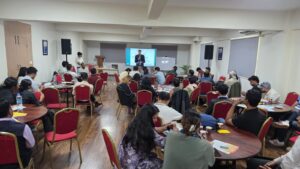
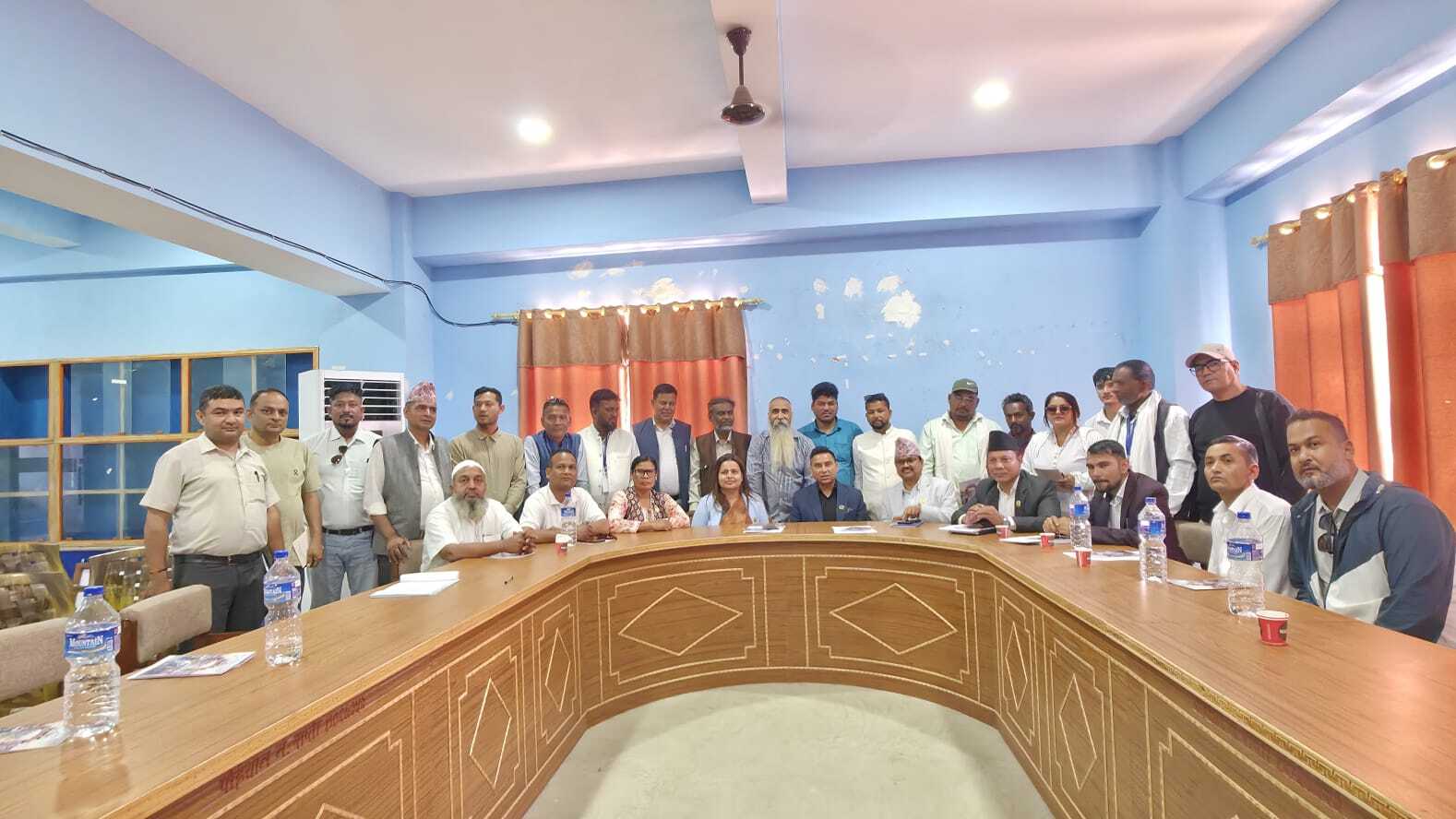
On April 22, 2026, Bikalpa – An Alternative, in collaboration with the NGO Federation of Nepal, conducted a stakeholder dialogue at the Ministry of Industry, Tourism and Transport hall in Rapti Valley (Deukhuri). The discussion centered on improving and streamlining the e-rickshaw licensing process in Lumbini Province. Participants emphasized that although e-rickshaws are vital for urban mobility and provide livelihoods for thousands, the existing legal framework does not reflect on-the-ground realities. A key issue identified was the mandatory written license exam, which acts as a major barrier, particularly for drivers with low literacy, effectively excluding many from obtaining licenses.
Under the Road Vehicles, Transportation and Transit Act, 2076 (सडक सवारी, यातायात तथा परिवहन ऐन, २०७६), Section 21(1)(g) classifies e-rickshaws as “small vehicles,” requiring a C1 license. However, the continued requirement of a written examination has made it difficult for many drivers to qualify. Participants widely agreed that reforming the licensing process would require amendments to this law to make it more inclusive and practical. The program brought together 33 participants from diverse sectors, including members of the Lumbini Province Assembly, chairs of parliamentary committees, senior government officials, representatives from the insurance sector, e-rickshaw drivers and traders from Nepalgunj and Butwal, unlicensed accident victims, and members of the media .

The chief guest of the program was Honorable Minister Prachanda Bikram Neupane, from the Ministry of Industry, Tourism and Transport, Lumbini Province and the program was facilitated by Keshab Bhusal, provincial project coordinator NGO Federation of Nepal, lumbini province.
Mr. Basanta Adhikari, Founder and Executive Director of Bikalpa – An Alternative, explained that the program aimed to address the gap between the growing importance of e-rickshaws in providing affordable transport and employment, and the restrictive licensing system that excludes many drivers due to the mandatory written exam. He noted that most drivers, often with low literacy levels, are unable to obtain licenses, exposing them to legal risks, including imprisonment and lack of insurance coverage in case of accidents.
Drawing on successful practices from Koshi and Madhesh provinces, he emphasized the need for more inclusive licensing approaches such as orientation, oral tests, and trial-based evaluation and stated that the objective of the dialogue was to bring together stakeholders to develop practical, policy-level solutions that ensure both road safety and livelihood protection.
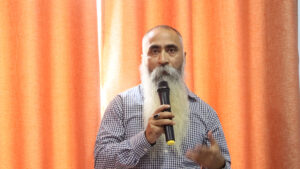
Mr. Samir Chhetri, researcher at Bikalpa – An Alternative, presented findings from a survey of 251 e-rickshaw drivers in Siddharthanagar and Nepalgunj, showing that while the sector plays a vital role in employment and affordable transport, a significant 82.5% of drivers operate without a license. He highlighted that this is largely due to low education levels about 45.42% of drivers are illiterate, and among them, 93.86% do not have a license, making the written exam a major barrier. As a result, many drivers face serious legal and financial risks, including lack of insurance coverage and potential imprisonment in case of accidents, underscoring the need for more inclusive licensing approaches such as those adopted in Koshi and Madhesh provinces.
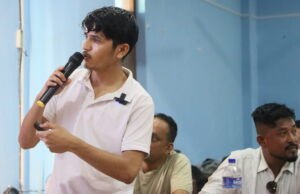
During the stakeholder dialogue, Lokmani Pandey, Spokesperson and Under-Secretary (Law) at the Ministry of Internal Affairs and Law, Lumbini Province, reflected on how the discussion around e-rickshaw licensing reform began. He shared that Bikalpa – An Alternative had approached him months earlier to explore possible legal solutions for the growing number of unlicensed e-rickshaw drivers in the province. Following that discussion, he had recommended conducting a survey to better understand the issue, which later became an important foundation for policy advocacy.
Mr. Pandey acknowledged that existing transport laws had not anticipated the rise of e-rickshaws and the realities faced by low-literacy drivers. Drawing from his experience as a former government attorney, he highlighted the serious legal risks unlicensed drivers face, including imprisonment in the event of accidents. He emphasized the need for a more practical and context-sensitive licensing system.
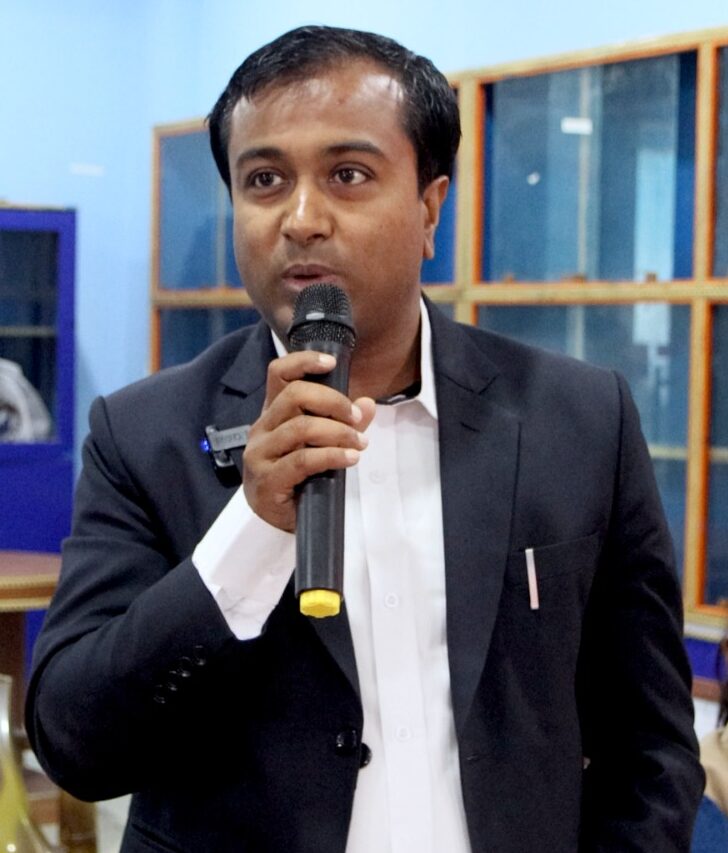
Referring to reforms already introduced in Koshi and Madhesh Provinces, he expressed support for orientation-based and practical trial systems in place of written examinations. He further stated that the provincial government is positive toward legal reform and is considering amendments to make the licensing system more inclusive and grounded in practical realities.
Mr. Yejaj Babu Jolah, President of Nepalgunj E-Rickshaw Management Pvt. Ltd., highlighted that the lack of driver’s licenses is a critical issue forcing many drivers to operate illegally, exposing them to severe legal and financial risks. He shared real cases where unlicensed drivers involved in accidents were denied insurance claims and imprisoned, leaving families in crisis. He emphasized that the main barrier is the written exam, as many drivers are illiterate, and strongly urged the government to introduce a more practical system based on orientation, oral assessment, and trial tests. He also raised concerns about double taxation by both municipalities and transport authorities, suggesting a simplified, single-window system, while stressing that making licenses easily accessible is essential to protect drivers’ livelihoods and families.

Mr. Dinesh Joshi, Chairman of Satyavati Yatayat Pvt. Ltd., Butwal, acknowledged the importance of reforming the e-rickshaw licensing system, noting that most drivers come from low-income and less-educated backgrounds, making the written exam a major barrier. However, he emphasized that licensing is not the only issue, raising concerns about rising taxes on e-rickshaws despite their environmental benefits, as well as challenges in vehicle ownership transfer (naam-sari), including high costs and the involvement of middlemen. He urged the government to address these systemic issues, simplify procedures, and decentralize services to make them more accessible for drivers across regions.

Mr. Uttam Kumar Biswokarma, an e-rickshaw driver from Nepalgunj with 10 years of experience, shared that drivers operate under constant risk without licenses, leaving them vulnerable to legal consequences and unable to claim insurance in case of accidents. He emphasized that many drivers depend entirely on this occupation to support their families, and any accident could lead to imprisonment with no alternative livelihood. Highlighting that most drivers are illiterate and unable to pass written exams, he urged the government to introduce a more practical licensing system based on orientation training and trial tests to ensure their safety and livelihood security.
A victim’s family member Sahadat Ali Kabadiya (son of an unlicensed e-rickshaw driver) shared that his father, who was driving a rented e-rickshaw without a license, was involved in a late-night accident and is now in jail, while the vehicle owner fled and avoided responsibility. With no insurance coverage and limited legal support, the family, consisting of many dependents, has been left in severe financial distress. He explained that he has now taken up driving a rented e-rickshaw himself to support the household, despite also lacking a license, which makes him equally vulnerable to legal risks and potential imprisonment in case of an accident, highlighting the urgent need for a more accessible and inclusive licensing system.
Mr. Santosh Kumar Subedi, Section Officer (Level 8) at the Ministry of Industry, Tourism and Transport, Lumbini Province, stated that while electric vehicles already receive a 50% tax discount under current fiscal policy, further revisions may be considered in upcoming budgets. He emphasized that the ministry has already drafted a new regulation under the Road Vehicles and Transport Act (2076) to address e-rickshaw licensing, and the process is currently in the consultation and approval stage, moving toward cabinet endorsement. He expressed confidence that the reform aimed at making licensing more practical could be implemented soon. He also noted technical challenges such as dependence on federal licensing software, for which the province plans to introduce necessary adaptations, while clarifying that vehicle registration and transfer within the province are generally manageable. Overall, he assured that the licensing issue is actively being addressed and is close to policy implementation.
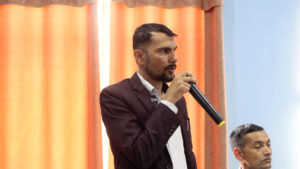
Mr. Bhim Raj Pokherel, Senior Officer at the Transport Management Service Office, Bhaluwang (Dang), highlighted that e-rickshaw drivers are facing excessive financial burdens due to overlapping and inconsistent fees imposed by local governments and provincial transport offices. He noted cases where municipalities charge significantly higher route permit fees than those by provincial law, forcing drivers to pay multiple charges, penalties, and renewal costs. Emphasizing that vehicle regulation is a shared responsibility across federal, provincial, and local governments, he suggested that registration and regulation should be streamlined and handled at the local level to reduce duplication, improve efficiency, and ease the burden on drivers.

The program concluded with the closing remarks of chief guest Hon. Minister Prchanda Bikram Nyaupane from the Ministry of Industry, Tourism and Transport stated that the issue of e-rickshaws had been previously discussed, including informal consultations in Nepalgunj. He acknowledged delays in decision-making due to political transitions, festivals, and administrative complications following recent national movements, which slowed policy progress for several months.
He emphasized that there is a clear policy intention to include e-rickshaws in an appropriate category similar to power tillers and tractors, but decisions cannot be made instantly as legal procedures must be followed, including coordination with different ministries, the cabinet, and financial authorities. He also highlighted the complexity of Nepal’s governance system, noting that bureaucratic processes often delay implementation and create frustration even within the government.
On e-rickshaw regulation, he clarified that registration authority lies with local governments, but inconsistent local laws have created confusion and double taxation issues. He stressed that double taxation is not the policy of the state and called for better coordination between local and federal levels. He further suggested that tax-related issues and penalties should be addressed through the Economic Act, and invited written proposals to incorporate necessary reforms.

The Minister also raised concerns about irregular tax renewals and outdated vehicle registrations, noting that some vehicles remain unrenewed for years, creating financial and regulatory burdens. He mentioned a temporary policy decision that allowed a 75% penalty discount to ease compliance.
Finally, he acknowledged shortages in government staffing and structural inefficiencies, stating that limited manpower and administrative gaps hinder effective implementation. He assured that the concerns raised by stakeholders would be addressed soon, with plans to finalize relevant decisions within the current month, and apologized for delays while reaffirming the government’s commitment to resolving e-rickshaw-related issues and improving service delivery.
Here’s the media coverage of the stakeholder dialogue:
ई–रिक्सा लाइसेन्स समस्या समाधान गर्न १ महिना भित्र ऐन ल्याइने : मन्त्री न्यौपाने – Deukhuri Today