In the last week of March 2026, Bikalpa – an Alternative, in collaboration with Kayapalat Nepal and the Nepal E-Rickshaw Drivers Association, Dhanusha, carried out an intensive week of advocacy in Madhesh Province. The week brought together planning meetings, high-level ministerial delegations, media engagement, and a multi-stakeholder dialogue , marking one of the most concentrated and coordinated advocacy efforts undertaken for e-rickshaw license reform in the province.
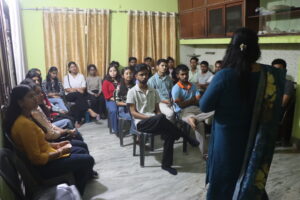
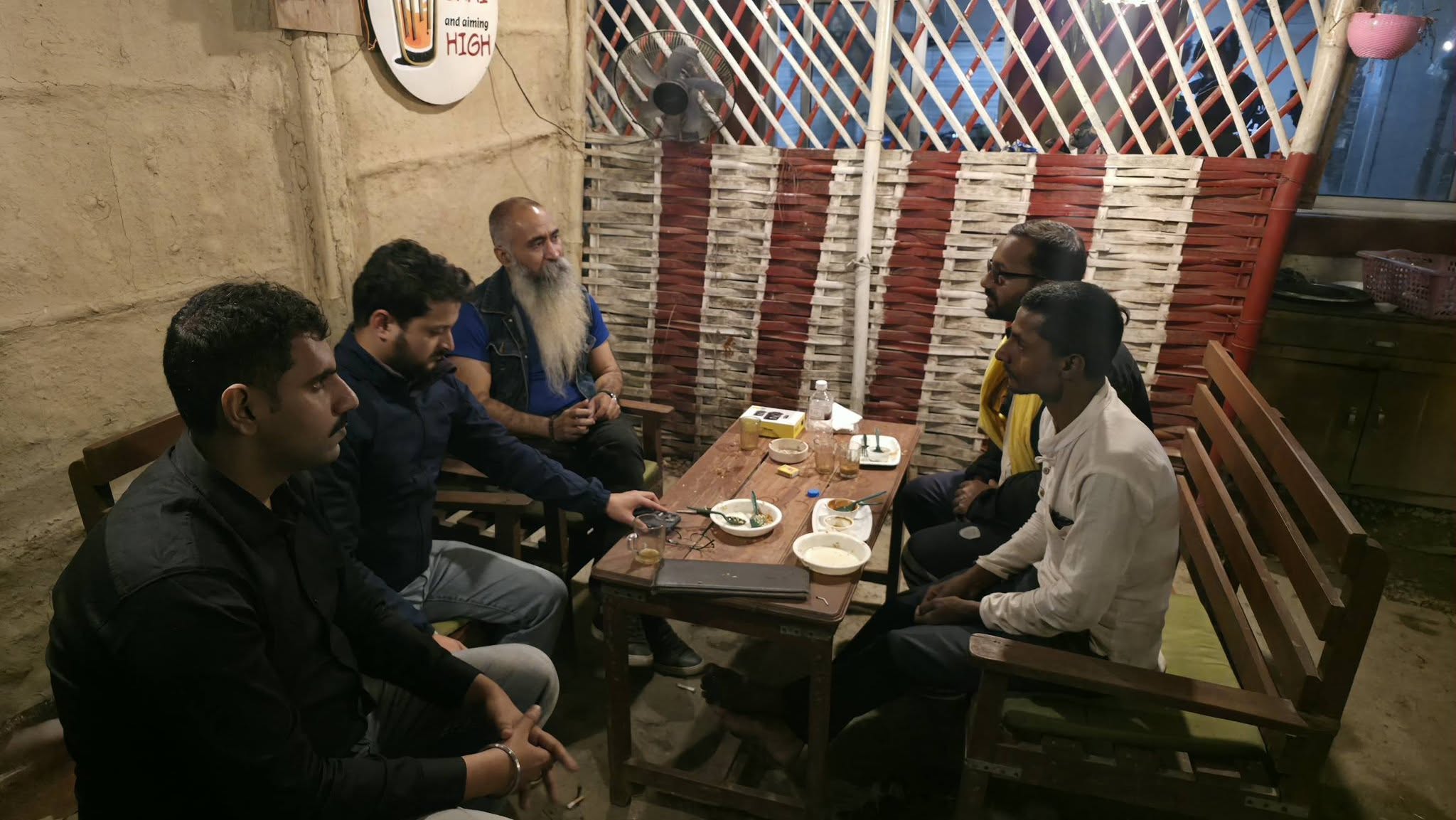
On 22nd March 2026, the Bikalpa team traveled to Madhesh Province to initiate the week’s activities. The team held a focused planning discussion with members of the Nepal E-Rickshaw Drivers Association, Dhanusha, and the Kayapalat team. The meeting served as an important foundation for the days ahead, laying out a clear plan of action, identifying key decision-makers to engage, and aligning all partners on a shared advocacy strategy. This preparatory session helped build a coordinated and vibrant voice among stakeholders in the province, setting the tone for a productive and high-impact week.
On 23rd March 2026, Bikalpa – an Alternative, along with Kayapalat Nepal and the Nepal E-Rickshaw Drivers Association, Dhanusha, undertook a series of high-level delegation meetings with key members of the Madhesh Province Government. The delegation began with a meeting with the Chief Minister of Madhesh Province, Honorable Krishna Prasad Yadav, at his official residence. The team presented the challenges faced by e-rickshaw drivers in obtaining a C1 driving license and shared the findings of Bikalpa’s research. Chief Minister Yadav acknowledged the urgency of the matter, informing the delegation that he had already prioritized this agenda and included it in his 100-day action plan for his tenure. He further committed to directing the concerned ministry to expedite the necessary procedures without delay, signaling strong political will at the highest level of provincial leadership.
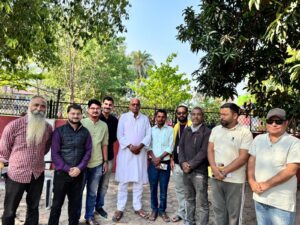
Following this, the delegation met Honorable Jangila Rai, Minister of Health and Population, Madhesh Province Government, Janakpurdham. The team shared the concerns of e-rickshaw drivers regarding the licensing barriers they face, the legal and financial risks they are exposed to due to the absence of licenses, and the need for urgent government action. Minister Rai expressed his concern about the issue and committed to supporting the reform effort.
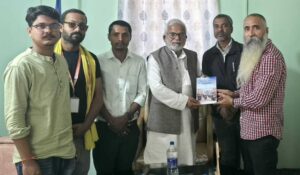
The delegation also met Honorable Raj Kumar Gupta, Minister of Physical Infrastructure Development, Madhesh Province Government, and presented the case for licensing reform, emphasizing the role that accessible licensing would play in making the e-rickshaw sector more formally regulated and safe. Minister Gupta acknowledged the problem and expressed his willingness to support the process.
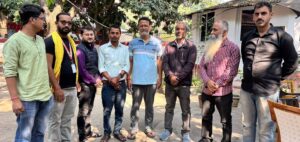
Later on the same day, the delegation met Honorable Fakira Mahato, Minister of Home, Communication and Law, Madhesh Province — the ministry most directly responsible for overseeing the reform. The delegation shared in detail the gap between the existing legal provision under the Madhesh Province Vehicle and Transport Management Act, 2081 and its on-the-ground implementation. Minister Mahato stated that he is well aware of the problem faced by e-rickshaw drivers and expressed a firm commitment to resolving the issue in close consultation with the relevant ministries. These back-to-back ministerial meetings were a critical step in building broad political support across multiple ministries for the licensing reform.
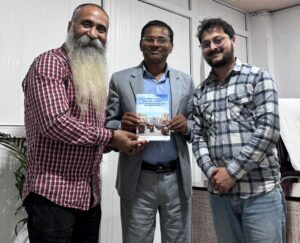
On 24th March 2026, Bikalpa – an Alternative, in collaboration with Kayapalat Nepal and the Nepal E-Rickshaw Workers Organization, Dhanusha, organized a press meet at the premises of the Federation of Nepali Journalists (FNJ), Dhanusha, Janakpurdham. Around 14 journalists from diverse national and local media sectors participated in the event. The press meet aimed to highlight the growing challenges faced by thousands of e-rickshaw drivers who continue to operate without a C1 category driving license due to an impractical examination system. President Birendra Mahato, Secretary Santosh Mahara, and Advisor Jagdish Ray of the Nepal E-Rickshaw Workers Organization raised their concerns about the gap between the law and its implementation, and appealed to the media to consistently raise this issue and help sensitize the public and policymakers alike. The event received wide coverage from both national and local media, significantly amplifying the reach of the advocacy campaign.
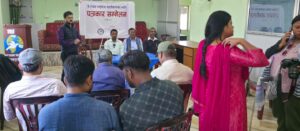
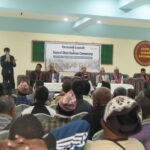
On 25th March 2026, the week of advocacy culminated in a Stakeholder Dialogue organized at Masala Cottage, Janakpurdham, Madhesh Province. The program brought together 57 participants from diverse backgrounds, including policymakers, local government representatives, bureaucrats, traffic authorities, e-rickshaw drivers and associations, journalists, and civil society members. The dialogue sought the implementation of the Madhesh Province Vehicle and Transport Management Act, 2081, with a specific focus on facilitating the process of obtaining a C1 driving license for illiterate e-rickshaw drivers in the province.
Bikalpa’s researcher Mr. Samir Chhetri presented the survey findings, revealing that 70.7 percent of e-rickshaw drivers in the province do not hold a valid license, primarily because the written examination system is unsuitable for drivers who are illiterate or have low levels of formal education. Speakers from across the stakeholder spectrum, including Dhanusha Traffic Inspector Surya Bahadur Shahi and National Human Rights Commission representative Mr. Rahul Jha, emphasized the urgency of reform. The program was addressed by the chief guest, Madhesh Province Minister for Labour and Transport, Mr. Manish Kumar Suman, who affirmed that the government is preparing to replace the written examination with an oral and practical examination system, and that an initiative is underway to introduce a QR code-based system to further streamline the licensing process.

The week of advocacy from 22nd to 25th March 2026 marked a turning point in Bikalpa’s campaign for e-rickshaw license reform in Madhesh Province. From planning meetings to ministerial delegations, media engagement, and a large-scale stakeholder dialogue, every activity was deliberately designed to build momentum and political commitment for the reform. The provincial government has now begun drafting the necessary working procedures to implement the oral examination provision already enshrined in law. The work, however, is not yet done. Bikalpa – an Alternative remains committed to following the process closely, continuing its engagement with policymakers, and ensuring that the reform translates into real and lasting change for every e-rickshaw driver who depends on this vehicle for their livelihood and dignity.
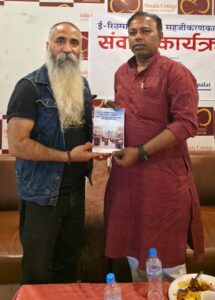
During the program, Mr. Basanta Adhikari, Founder and Executive Director of Bikalpa – an Alternative, formally handed over a policy brief highlighting the key issues faced by e-rickshaw drivers to the chief guest, Madhesh Province Minister for Labour and Transport, Mr. Manish Kumar Suman. The brief emphasized the need to simplify and make the driving license process more practical and accessible for e-rickshaw drivers. It also highlighted the importance of developing clear regulations and working procedures for the effective implementation of the Madhesh Province Vehicle and Transport Management Act, 2081, which includes provisions for an oral-based test in place of a written examination for e-rickshaw drivers. He informed that the government is preparing to replace the written examination with an oral and practical examination system for license distribution.
Here is the link to Bikalpa’s Facebook page:
https://www.facebook.com/share/p/1GeKmQdome/
https://www.facebook.com/share/p/18P8d8CjZa/
https://www.facebook.com/share/p/14b2UyaJ9W8/